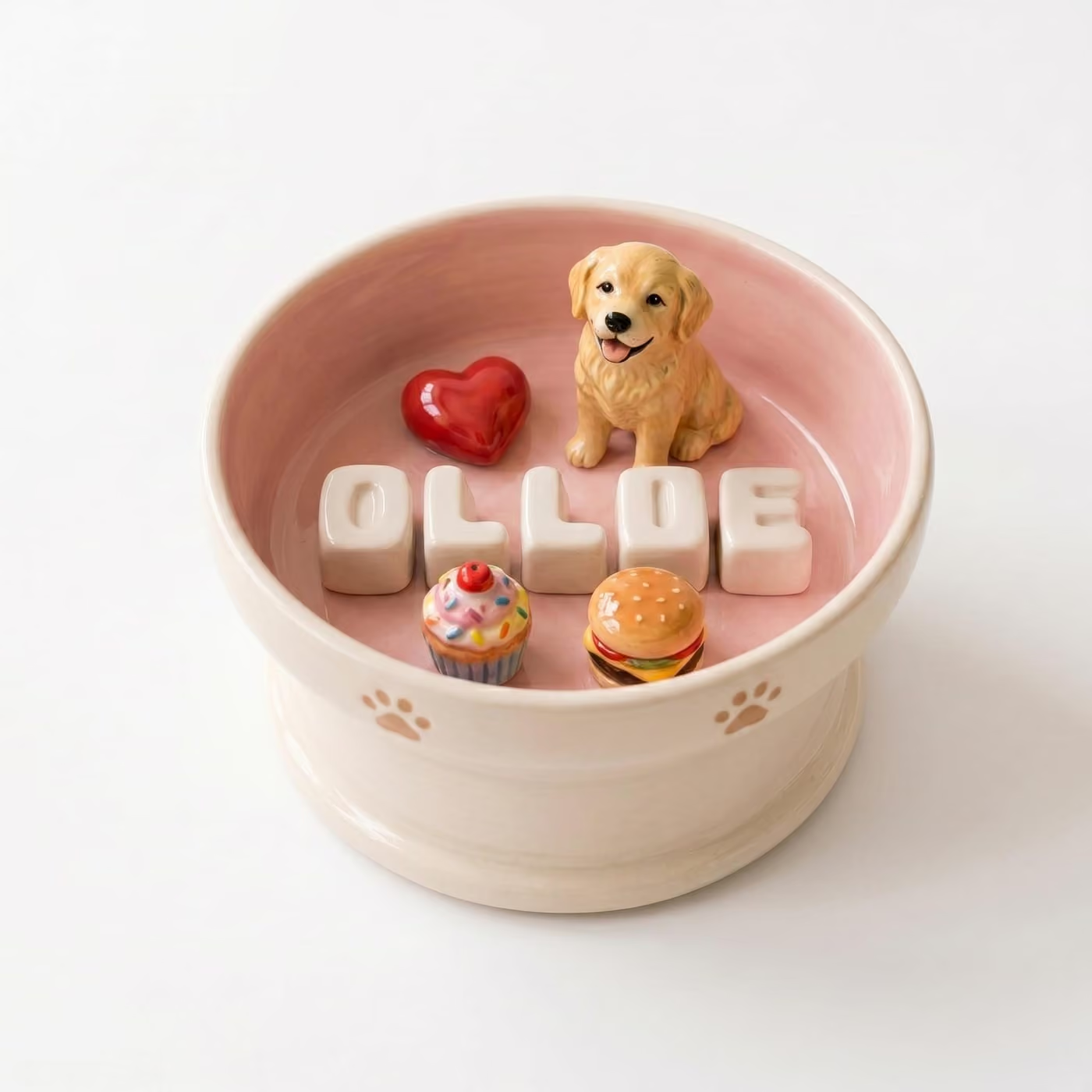
Why Some Breeds Are Harder to Sculpt Than Others
Ears that must stand up, tails that must not touch, coats built curl by curl. What makes one breed a day of work and another three.
Every figurine is built by hand from the same clay, but they do not take the same amount of time, and they do not fail at the same rate. Some of that is aesthetic judgement. Most of it is physics.
The three things that make clay difficult
Thin projections that must hold their own weight. Wet clay slumps; dry clay cracks. Anything sticking out — an ear, a tail, a raised paw — has to be built in a narrow window when the clay is leather-hard, and supported until it sets.
Gaps that must stay gaps. Glaze becomes fluid at 1200°C and flows. Two surfaces close together will bridge and fuse, permanently.
Texture that has to be built rather than painted. Curl and long fur are physical in a way short coats are not.
Almost every difficulty below is one of those three.
Upright ears: Corgi, German Shepherd, French Bulldog
Two thin plates of clay standing on a small head. They are the most common cause of a piece failing during drying, and they have to be made slightly thicker than they look and thinned from behind.
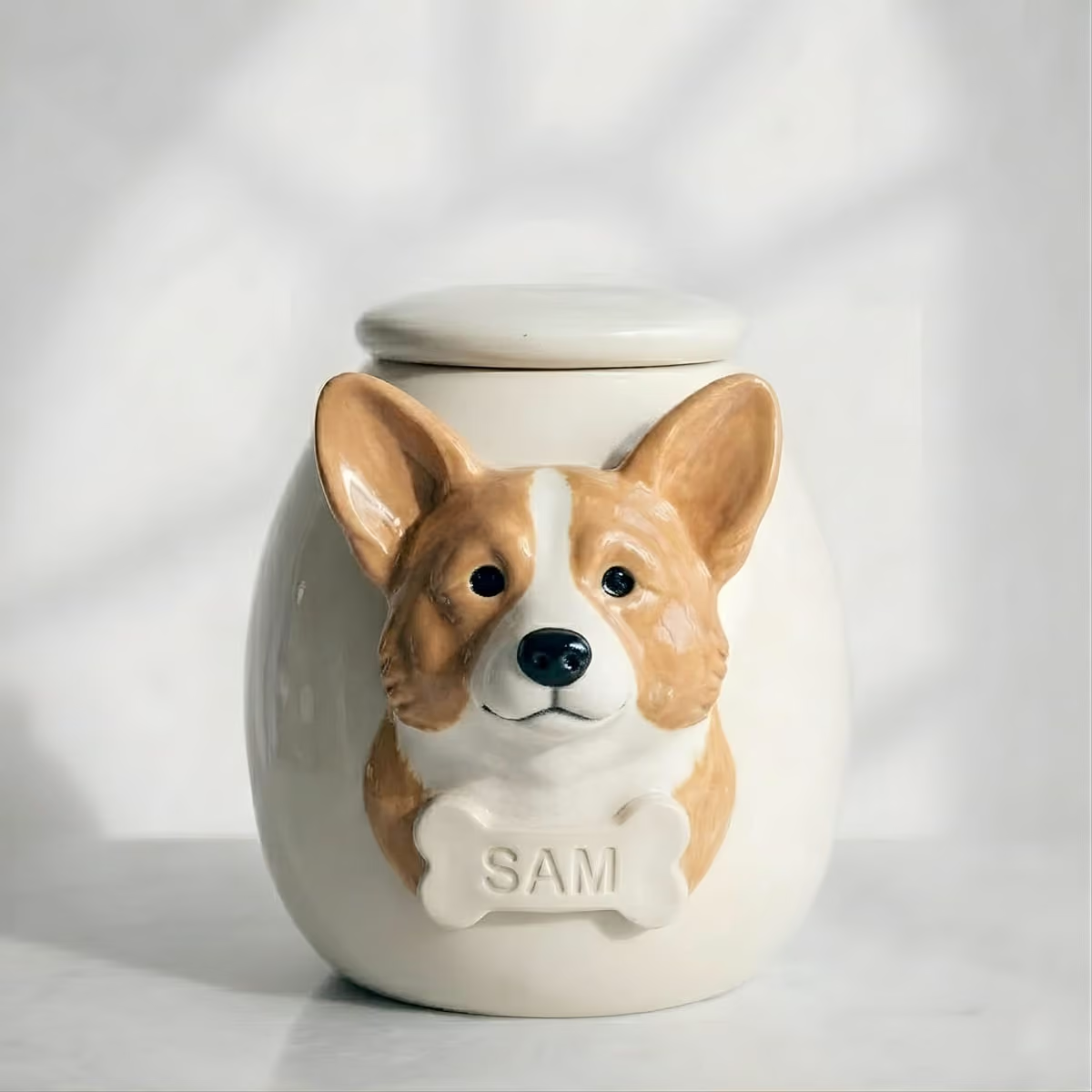
Corgi ears are the extreme case because they are enormous relative to the skull. Details on the Corgi page.
Curled tails: Shiba Inu, Akita, Pug
A curled tail has to sit over the back without touching it. Leave too small a gap and the glaze bridges across during firing, fusing tail to body — unfixable, remake the piece.
There is also an individual detail owners notice immediately: the curl goes left or right depending on the dog. If you have a photo from above, send it. More on the Shiba page.
Built coats: Poodle, Bichon, doodles
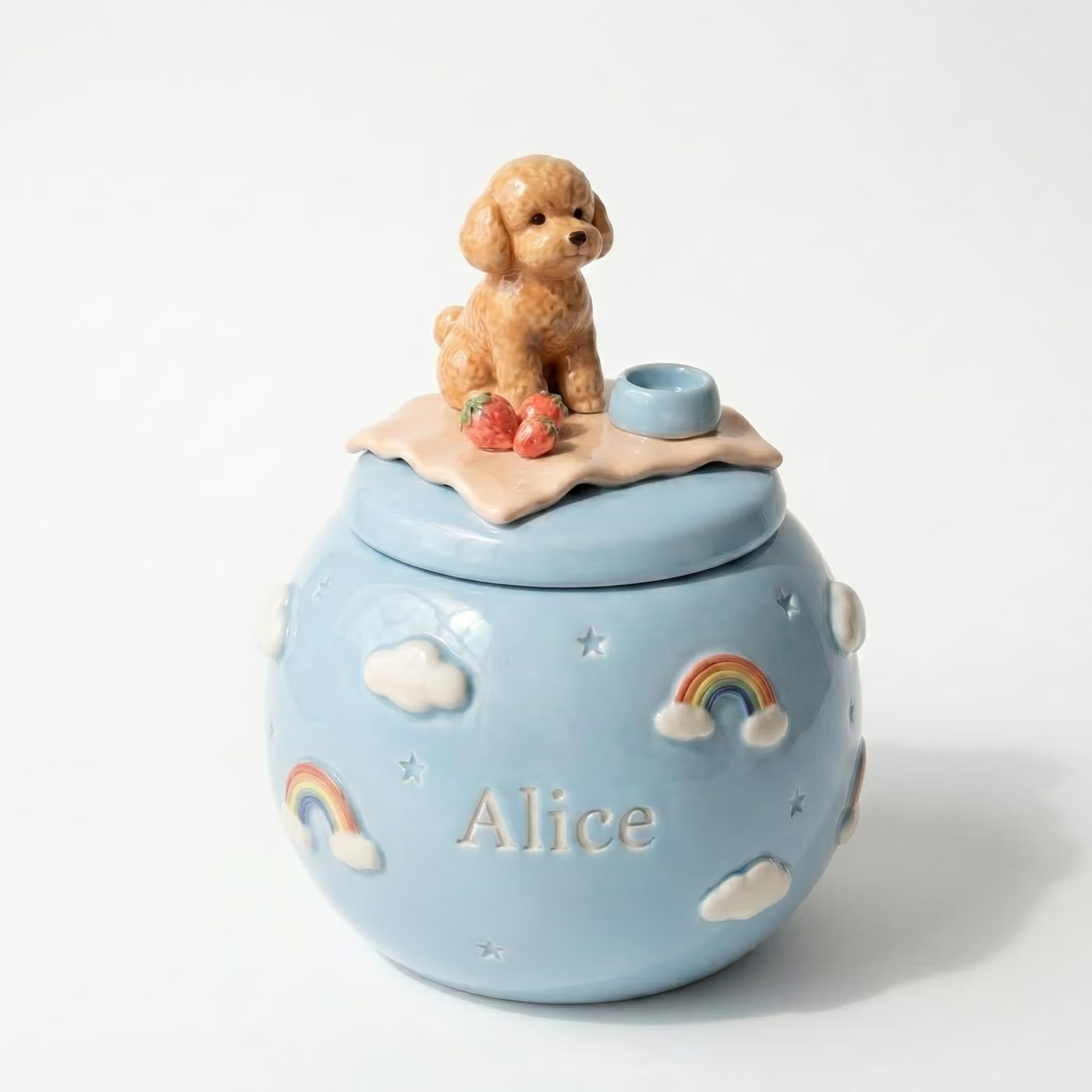
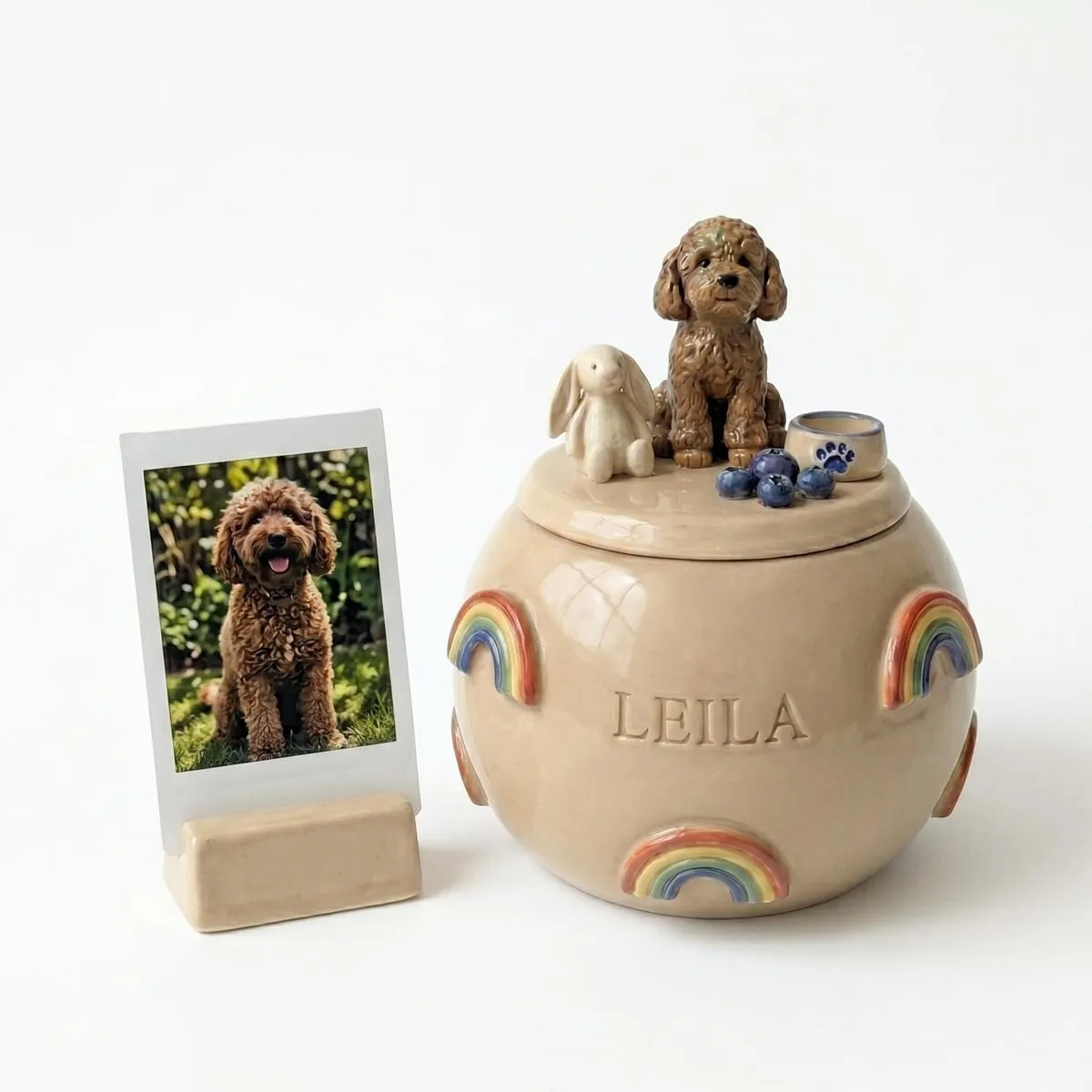
Poodle coat cannot be painted. Each curl is pressed and twisted into leather-hard clay individually, in overlapping rows worked from the rear forward. Done in the wrong order the rows flatten each other and you get texture rather than curl.
A Poodle figurine takes noticeably longer than a smooth-coated dog of identical size. See the Poodle page.
No standard at all: Cockapoos and other doodles
The hardest group, for a reason that is not physical.
With a pedigree breed we start from known proportions and adjust toward the individual. With a doodle there is nothing to start from — two from the same litter can differ in coat type, ear length and muzzle shape. Everything comes from your photographs and nothing from a reference.
This is why we ask for more photos of doodles than of anything else. The Cockapoo page goes into it.
Cats: easier to build, harder to finish
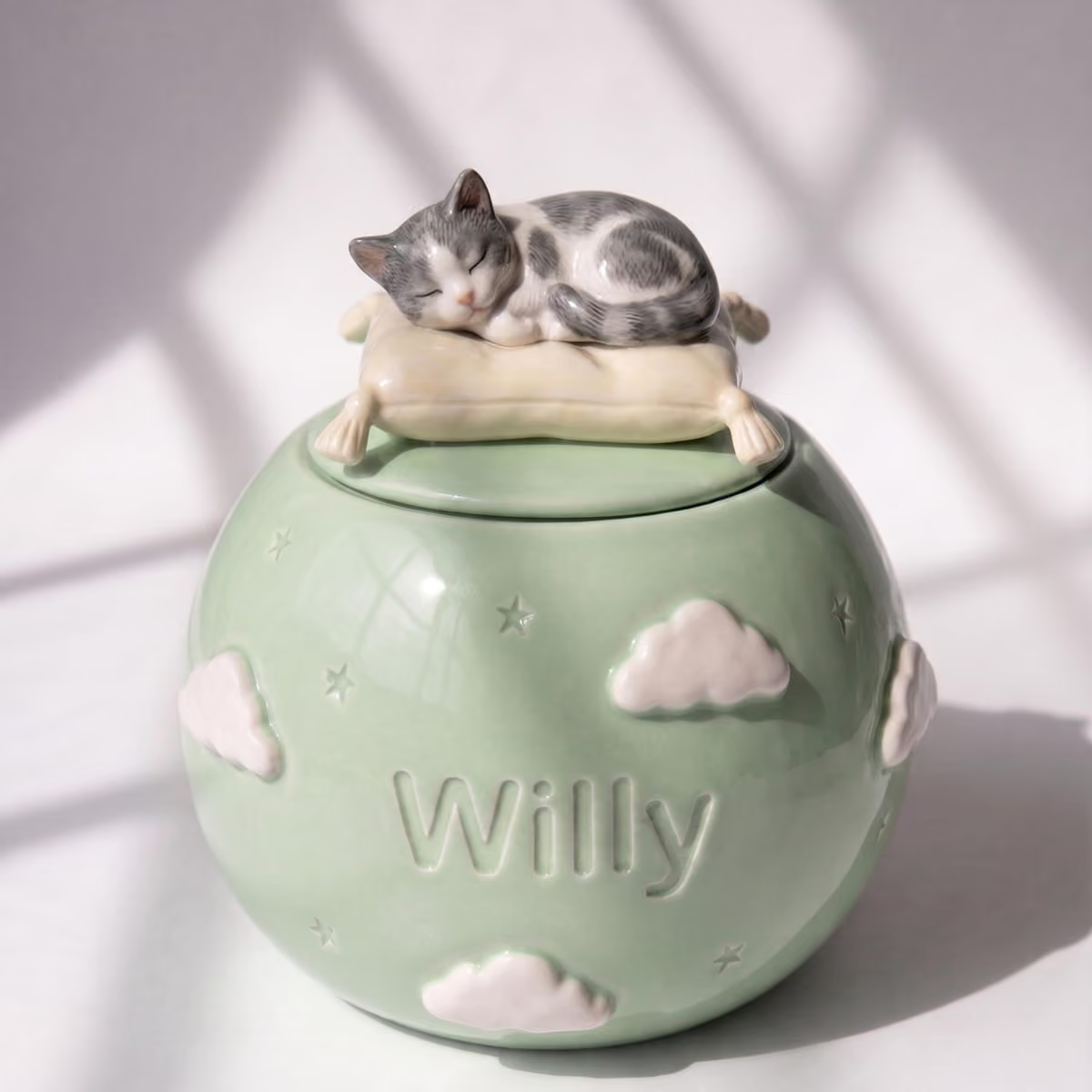
Cat anatomy is more forgiving — fewer thin projections, and a continuous curve from ear tip to tail that reads well in clay.
The difficulty moves to the surface. A tabby is defined by its markings, and no two tabbies are marked alike. Mackerel, classic, spotted and ticked are visibly different patterns, and painting the wrong one produces a cat that is obviously not yours. Stripes must follow the curve of the body, judged by eye while turning the piece. More on the tabby page.
The genuinely easy ones
Short-coated, standing-eared, straight-tailed dogs: Staffordshire Bull Terriers, Beagles, Whippets, Dachshunds, most Labradors. Solid forms, few projections, coat handled with glaze rather than sculpture.
These take the least time. We do not charge less for them — pricing is by size, not by difficulty — which means an easy breed is straightforwardly good value.
What this means for you
Almost nothing, practically. We do not decline breeds, and difficult ones are not priced differently.
Two places it shows up:
- Timing. Heavily sculpted pieces sit at the longer end of our production window and are more likely to need a second attempt after a drying crack.
- Photographs. Difficult breeds need more reference. If your pet is a doodle, or has ears or a tail doing something distinctive, extra angles help disproportionately. See what photos we need.
Small animals — rabbits, guinea pigs, birds — are all straightforward, and their size suits our smallest urn well.
Every figurine is sculpted by hand from your own photographs, whatever the breed. Not sure yours is possible? Send a photo and ask.