From Photo to Figurine: How We Sculpt Your Pet by Hand
What actually happens between sending us a photograph and receiving a ceramic figurine of your pet — the sculpting, the drying, the firing, and why it takes weeks.
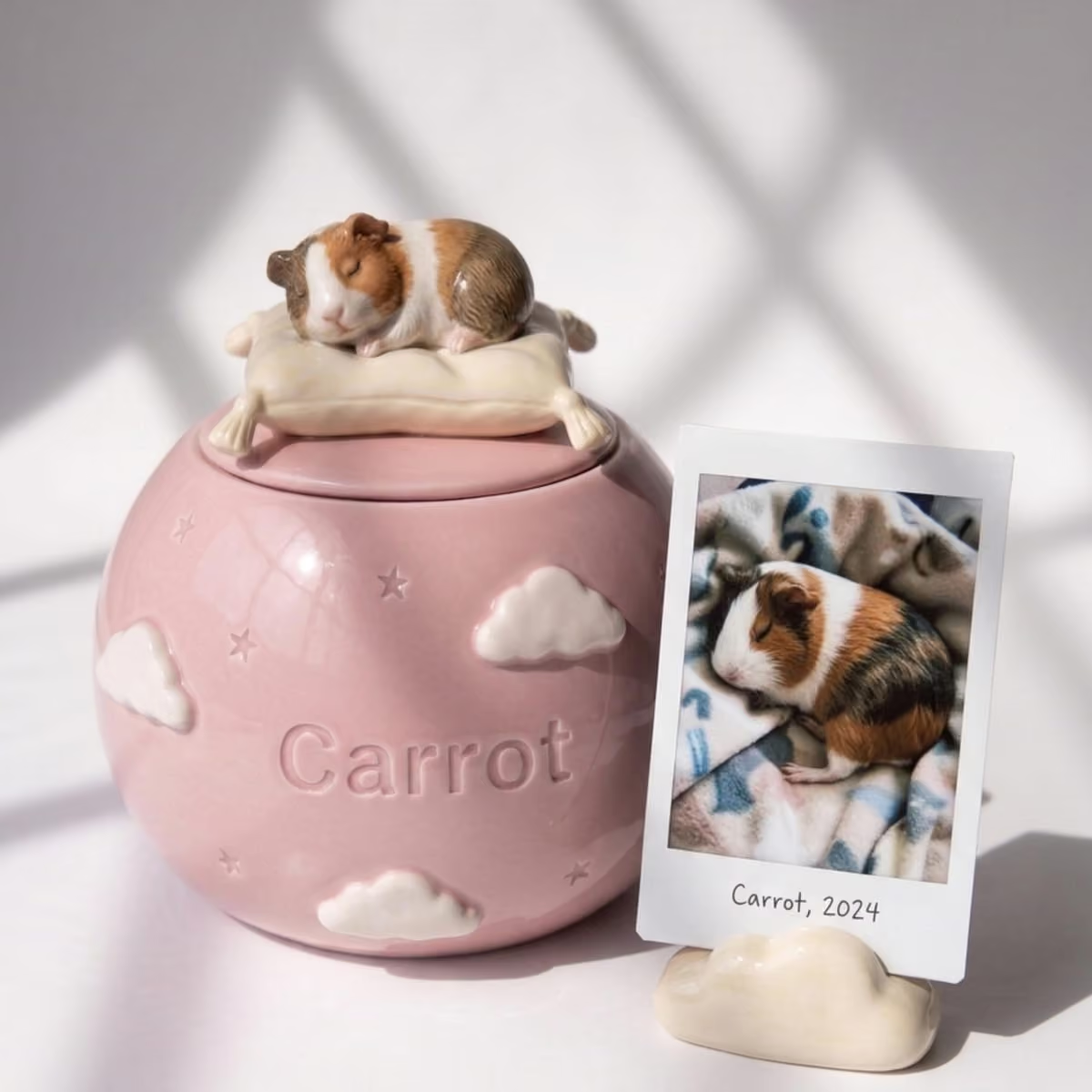
People ask what takes three to five weeks. It is a fair question — most things you order online arrive before you have finished thinking about them. Here is the actual answer, stage by stage.
First we look at your photos for longer than you would expect
The single most useful thing you can send is three or four ordinary photographs from different angles. Not studio portraits. Daylight snapshots on a phone are ideal, because they show the animal doing normal animal things rather than posing.
What we are looking for is not really the face. It is the proportions: how the head sits on the shoulders, how long the muzzle is relative to the skull, where the weight falls when the animal is standing. Two dogs of the same breed can be built completely differently, and a figurine that gets the breed right but the individual wrong is the thing owners find upsetting.
If your photos are blurry, or there are only two of them, or they are all from the same angle, send them anyway. We have worked from worse. We will tell you before starting if we genuinely cannot see enough, rather than guessing and hoping.
Then someone builds the animal out of clay
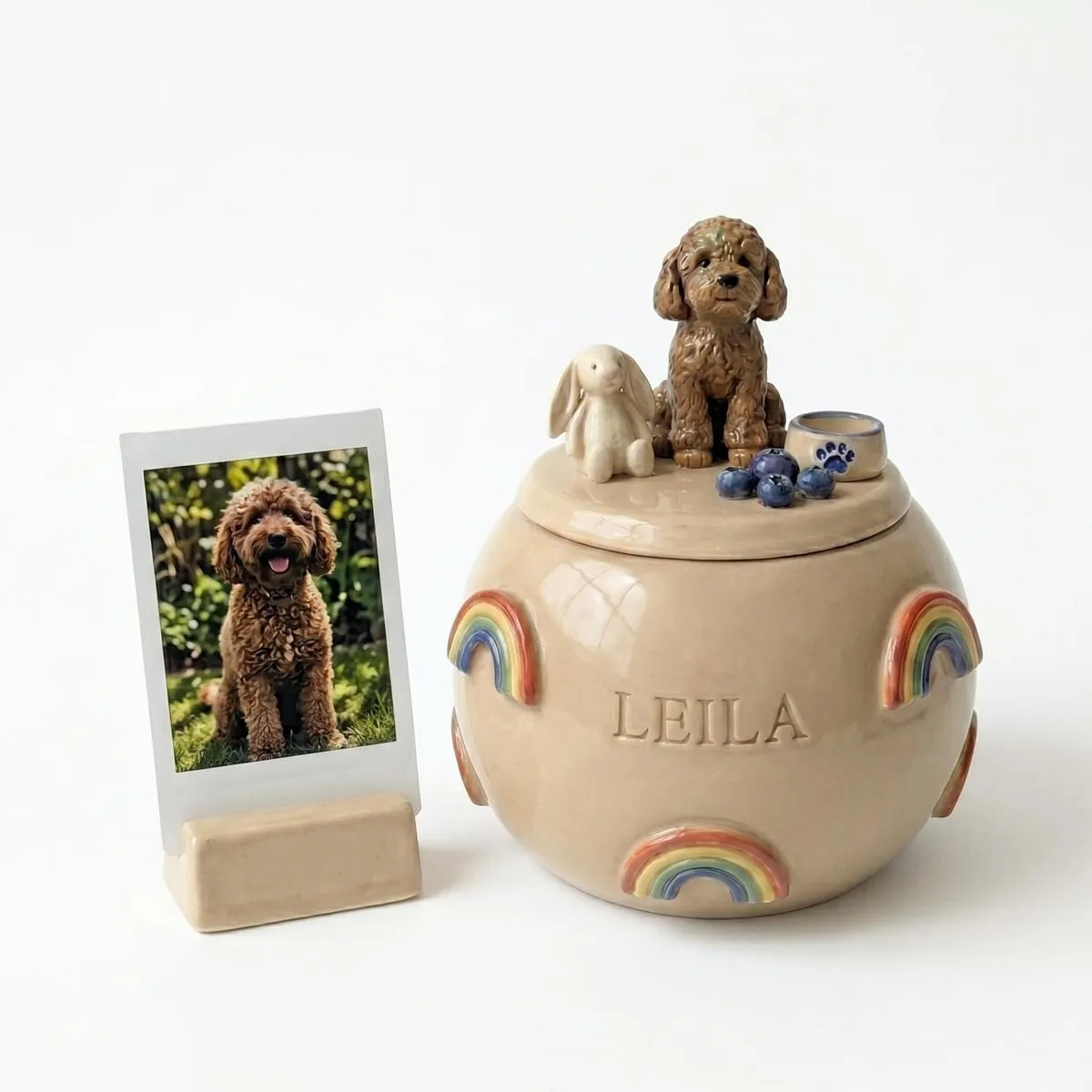
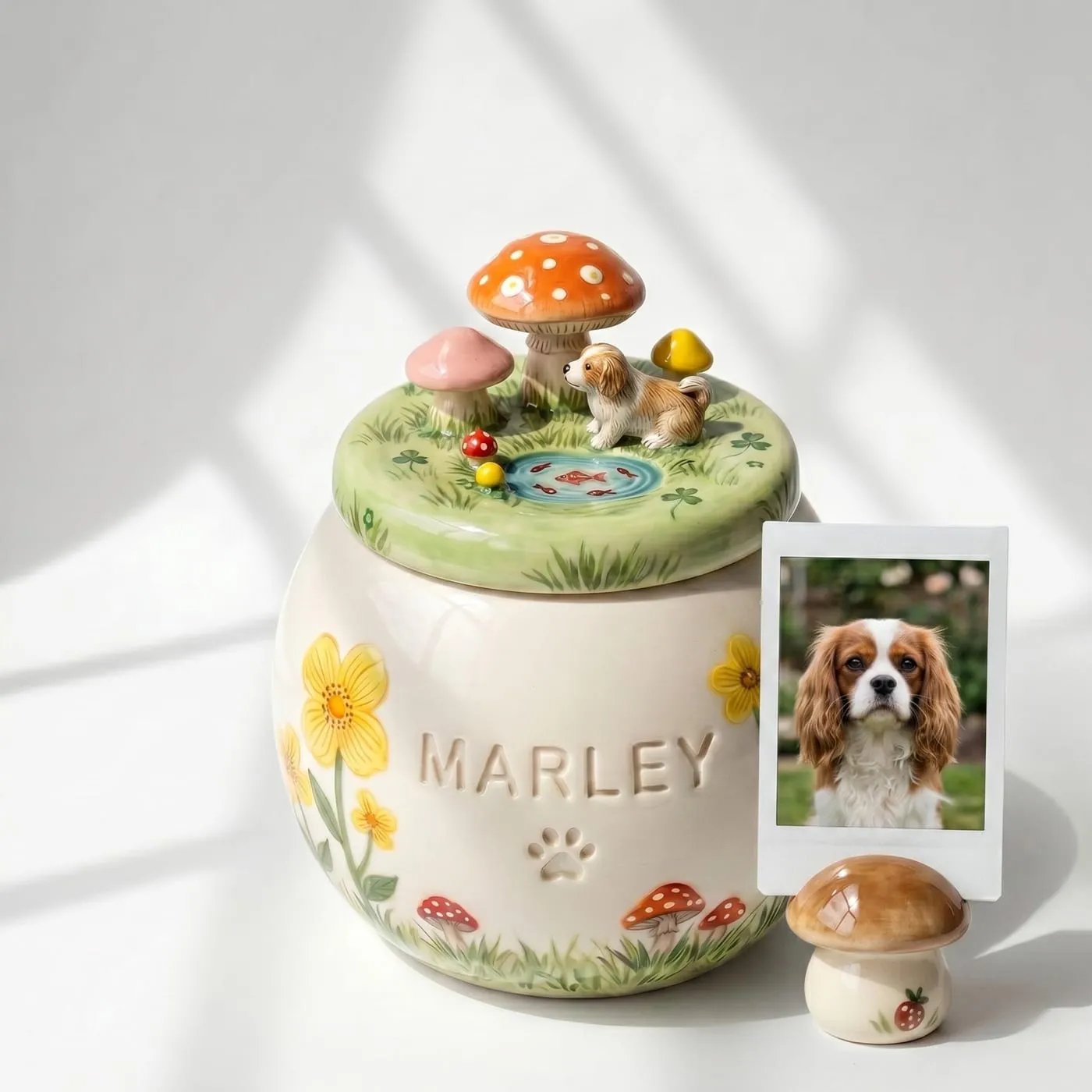
No moulds. No 3D scanning or printing. Someone sits down with a lump of clay and your photographs propped up beside them, and builds the animal from the inside out — core body mass first, then limbs, then head, then the details that make it look like yours rather than a generic version of its breed.
The order matters. If you sculpt the face first, you will get a beautiful face attached to a body that does not belong to it. Building the mass first feels slower and is not.
This is the stage that takes days rather than hours, and it is the reason a hand-sculpted piece costs what it does. There is no way to make it faster that does not show in the result.
Fur is cut, not painted
Coat texture goes in with a fine tool once the clay is leather-hard — dry enough to hold a line, wet enough not to crumble. That window is a few hours long.
Long-coated breeds take substantially longer here than short-coated ones. A Golden Retriever’s feathering is dozens of individual strokes that all have to run in the direction the coat actually falls. A Staffie takes twenty minutes.
Then you see it, before anything is permanent
At this point we photograph the raw, unfired sculpture and send it to you.
This is deliberately the last moment when things can change. Clay is still soft enough to reshape an ear, adjust a pose, change the tilt of the head. Once a piece is fired, it is fired — ceramic is not editable, and there is no version of this process where we can fix it afterwards.
Owners use this stage more than we expected when we started offering it. The most common request is not a big structural change but something small and specific: his left ear folded over, it never stood up properly. Those details are exactly the point.
Drying is the boring part that cannot be skipped
The finished piece then dries slowly, usually a week or more depending on humidity — and our studio is in Ho Chi Minh City, so humidity is a real factor.
A piece that goes into the kiln with moisture still trapped inside will crack, sometimes explosively, and can take other work in the kiln with it. There is no way to hurry this that is not simply gambling with your pet’s memorial.
Glazing, then 1200°C
Glaze is brushed or poured on by hand, and hand-painted detail goes on at this stage — blossoms, stars, whatever design you have chosen.
Then the kiln, at 1200°C. At that temperature the clay vitrifies: the particles fuse and the material stops being porous. This is the difference between a keepsake that lasts and a decorative object that slowly absorbs damp. It is also why colours come out different from how they went in — glaze is a chemical reaction, not paint.
Then it is packed, and then it is yours
Three layers of shockproof packaging, tracked shipping, seven to fourteen days in transit to most countries.
Total: three to five weeks in the studio, plus shipping. Four to seven weeks all in.
We know that is a long time to wait for something you are waiting for in the first place. The alternative is a piece that arrives quickly and does not look like your dog, and in our experience nobody actually wants that.
Ready to start? Have a look at how ordering works, or send us a photo and ask what we would make.