Sitting, Sleeping or Standing: Choosing Your Pet's Figurine Pose
The pose and the small objects on the lid are the two choices that shape a sculpted urn most. What each design offers, what a personal object adds, and when to decide.
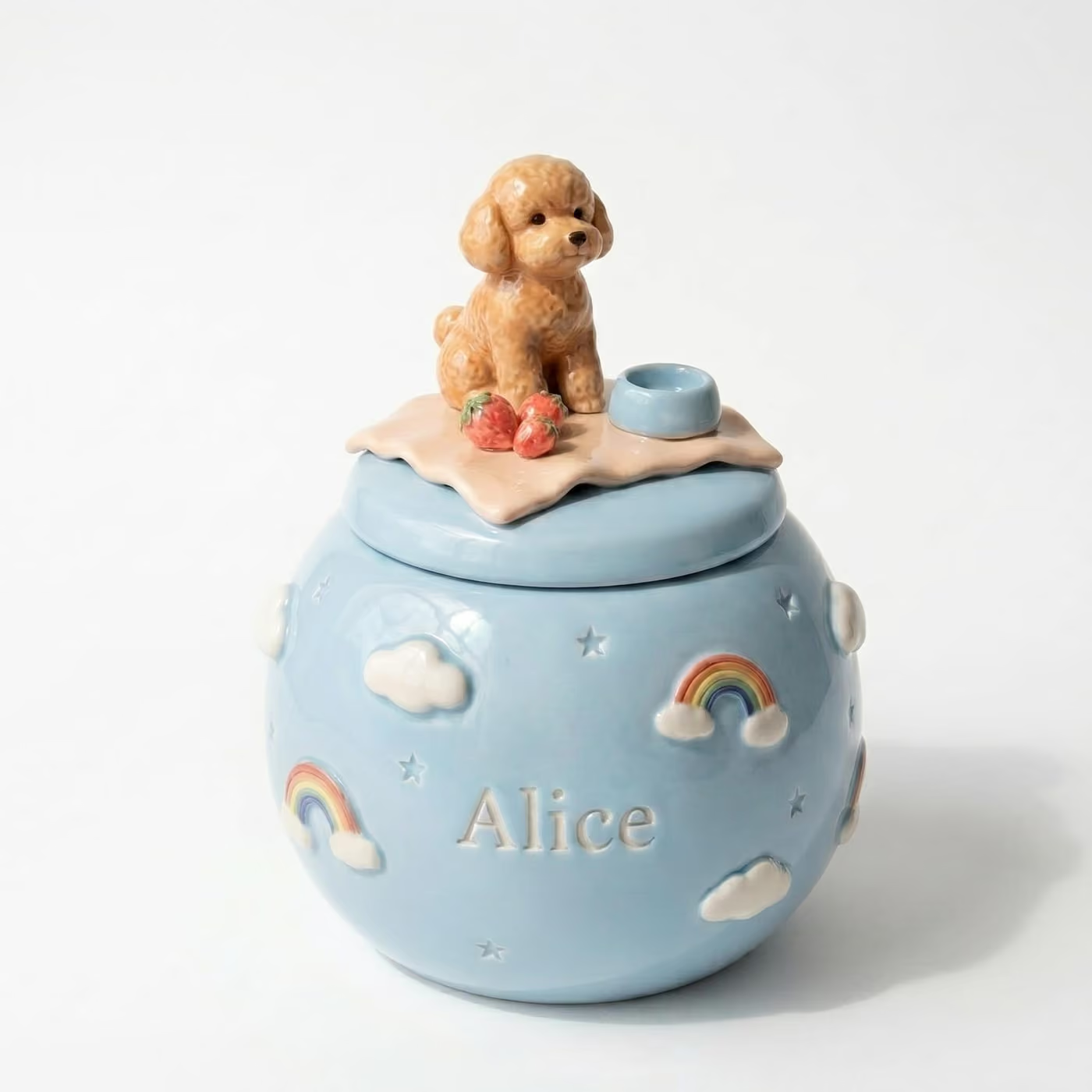
Choosing a pose for a pet figurine comes down to the position you picture first when you think of them: curled asleep, sitting up, or standing mid-stride. At Pepple Studio the poses on offer depend on the design, and most lids also carry a few small sculpted objects, some included and some chosen by you.
Those two decisions, the pose and the lid, change how the finished piece feels more than anything else you pick.
How do you choose a pose for a pet figurine?
Choosing a pose for a pet figurine is less about which position looks best and more about which one you will be glad to see on a shelf every day. The pose sets the mood of the whole piece. A figure asleep reads as rest, and many people find that the gentlest way to look at an animal they have lost. A figure sitting upright reads as alert and present, the way a dog waits by the door. A standing figure reads as caught in the middle of something, a walk or a greeting. None of these is more correct than the others. The useful question is where your eye used to land: the sofa, the doorway, the garden. That place usually tells you the pose. If you cannot choose between two, the one you have the clearest photographs of is the safer pick, since the artist works from the pictures you send.
Which poses can you choose from?
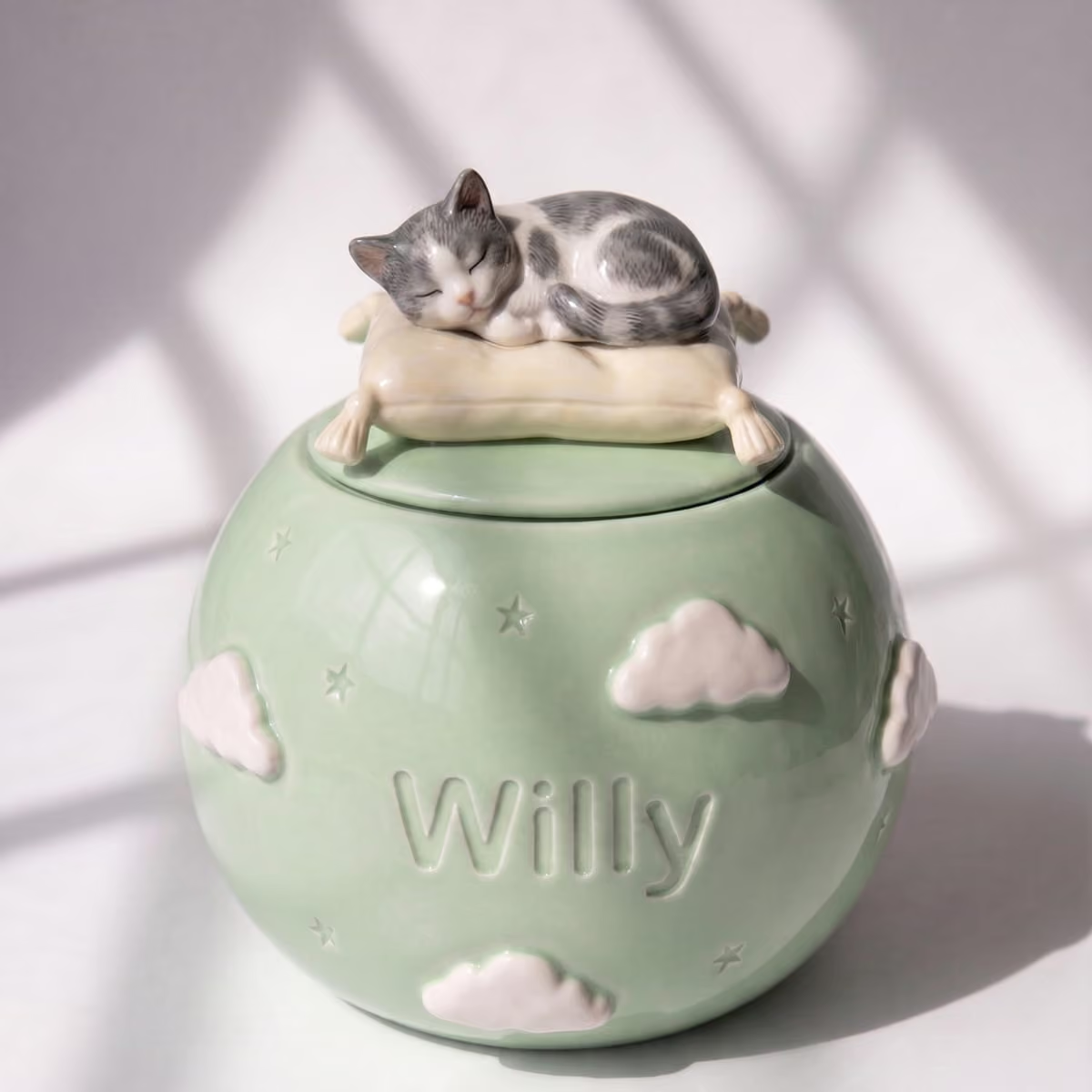
The poses you can choose from depend on the design, because each urn is built around a particular way of arranging the figure on its lid. Some designs let you pick between several positions; others are made around one, such as the sleeping figure curled on a cushion in the Sleeping Cloud design. The product listings set out the options:
| Design | Poses offered |
|---|---|
| Personalised dog and cat memorial jar | Sitting, standing or lying down, with sitting as the default |
| 3D pet urn with figurine | Sleeping or sitting |
| Custom 3D pet urn | Standing or lying down |
| Urn with a 3D miniature portrait | Any pose you describe, such as lying down or sitting |
| Sleeping Cloud | Curled up asleep on a cushion |
Where a listing does not name the options, the pose is something you describe when you order. If you are torn between two, a sleeping pose is the most forgiving to sculpt. It depends on weight and curve rather than expression, so the likeness tends to land more reliably than it does on an alert face. Which way the figure faces is its own small decision, and the Rainbow Bridge article has a note on it.
What can go on the lid besides your pet?
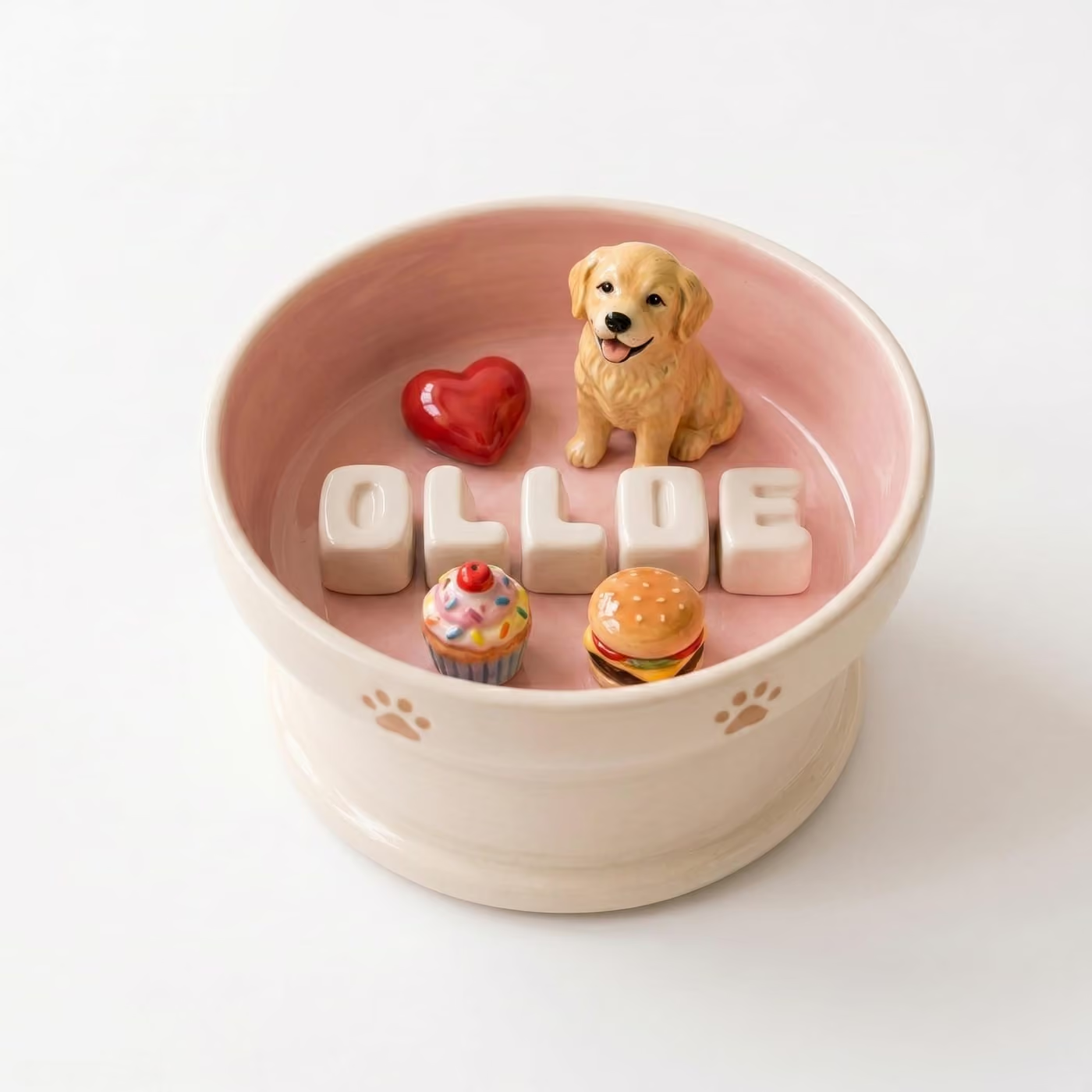
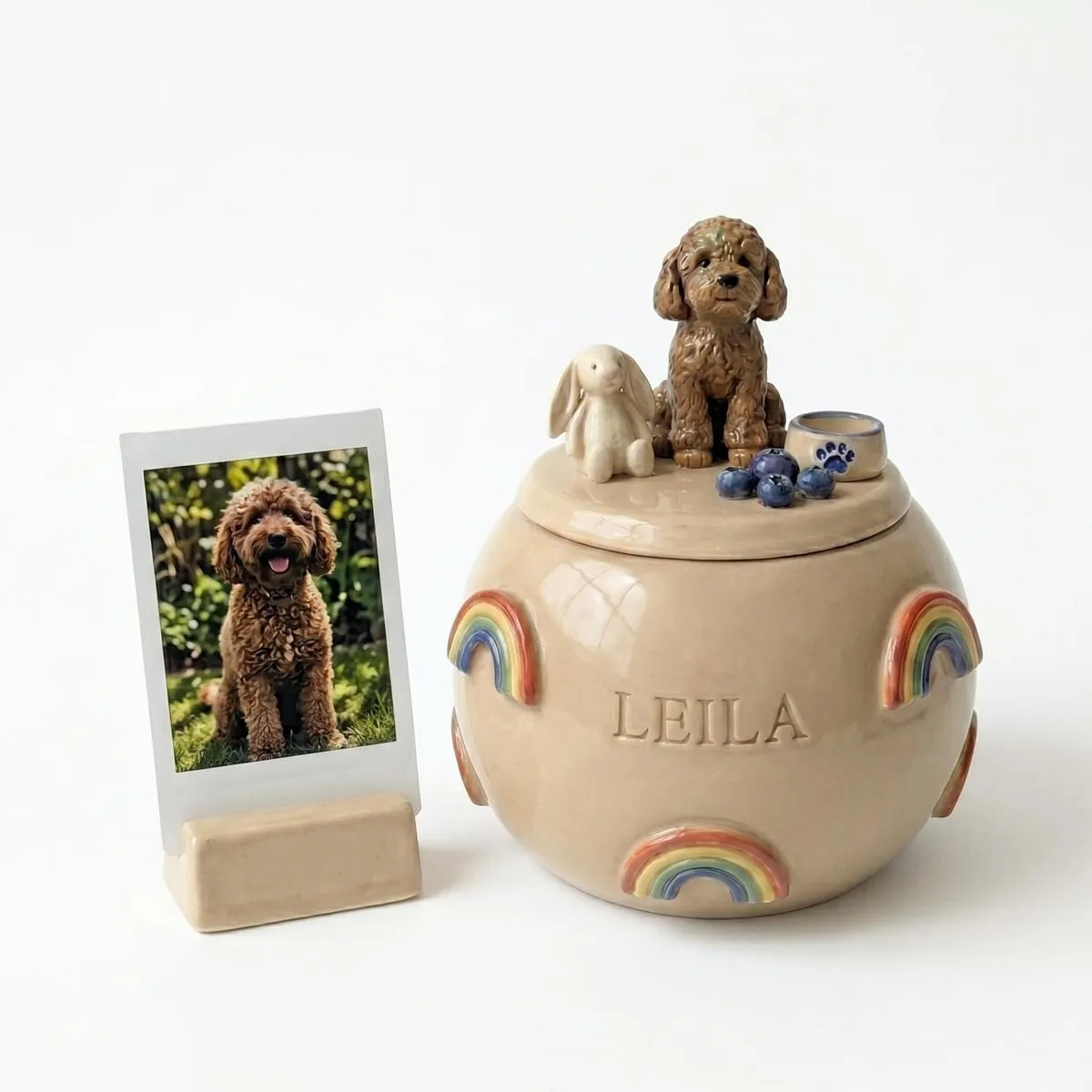
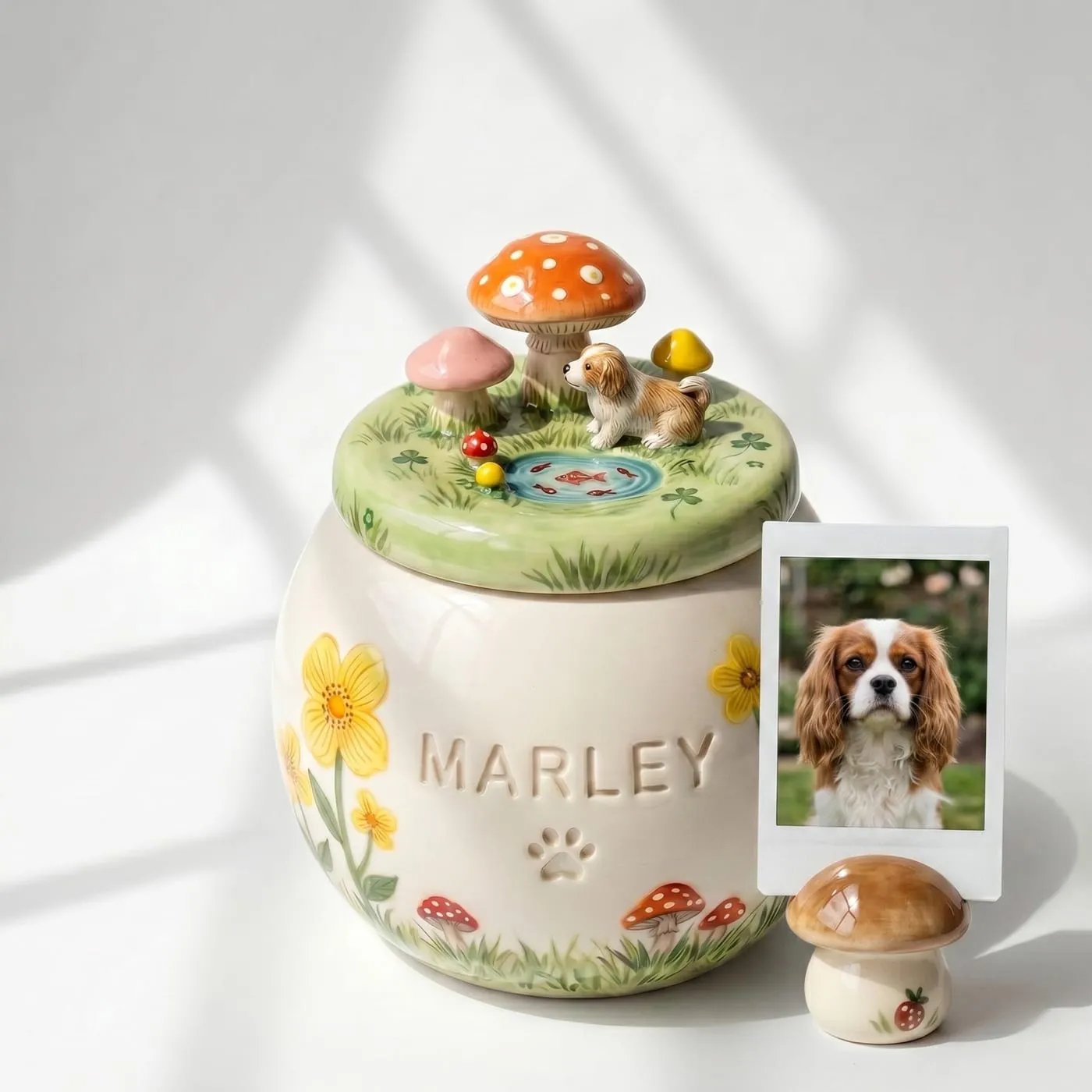
Besides your pet, a lid can carry a few small sculpted objects, and on several designs some are already included. The standard urn comes with a tiny blanket, a ball and a bowl on the lid. Another design includes a rope toy and a bowl, and lets you add miniatures such as a bone, a heart, a fish or a tennis ball at extra cost. One memorial jar pairs the figure with a small ceramic heart in a colour you choose. On the photo stand urn you can add a small item your pet loved, such as a bone or a ball of yarn, and pick the colour of the little satchel the figure wears from twelve. The product page for each design lists what is included and what costs more.
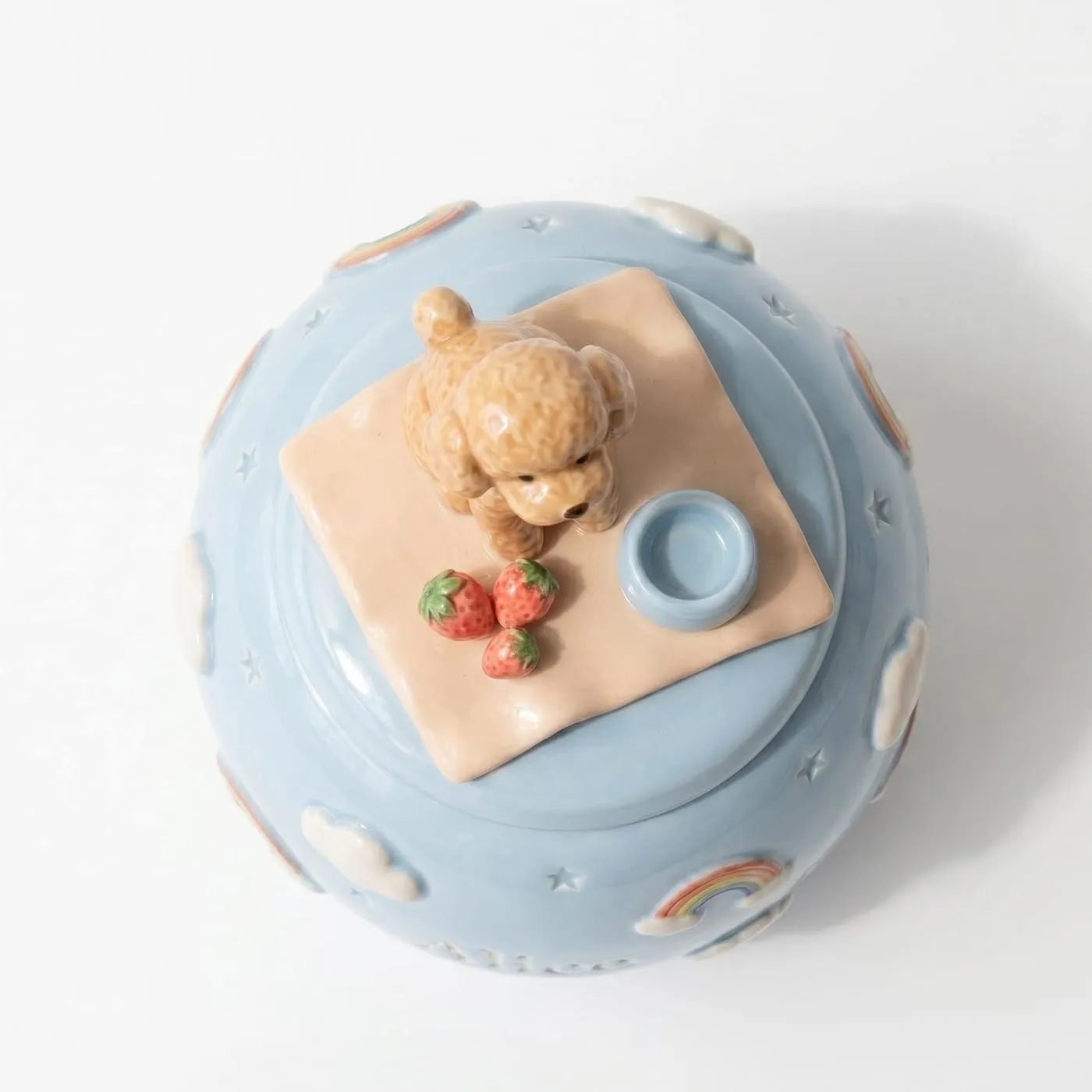
The lid of the jar at the top of this page, seen from above. The figure, the blanket and the two objects share a surface only a few centimetres across. Shown as a rendering of the design.
Should you add a favourite toy or keep the lid simple?
Adding a favourite toy is worth it when the toy was genuinely theirs, and less so when it is a generic stand-in. A particular chewed rope, a squeaker that went everywhere or one specific ball carries a memory that a stock accessory does not. The limit is space. A Pepple Studio urn is 8cm, 10cm or 13cm (3.1, 3.9 or 5.1in) across, and every object on the lid takes room from the figure itself, so one meaningful object usually does more than three decorative ones. Small objects also sit at the same scale limits as the figure: shape and colour come through, while fine printing or stitching on a toy will not. How much detail a sculpted figure can hold sets out where that line falls. If you do add something, describe it plainly, and a picture of the object itself helps if you have one.
Telling the studio what you want
The pose and any lid objects go into the details you give when you order, in the same place you note an ear fold or a patch of fur. Say it simply: sitting, facing left, with her blue rope toy. Nothing is fixed at that point. The studio sends a picture of the unfired clay figure for you to approve, and a pose can still be adjusted then, while the clay is soft enough to move.
Seeing the designs
Every design in the urn collection is shown with its lid, which is the quickest way to see how a sitting, sleeping or standing figure sits in each one before you decide.