The Rainbow Bridge: Where the Poem Came From
The Rainbow Bridge poem has comforted pet owners since the 1980s and nobody is certain who wrote it. What it says, where it came from, and why it endures.
If you have lost a pet in the last forty years, someone has probably handed you the Rainbow Bridge poem — a vet, a crematorium, a friend who did not know what else to send.
It describes a green meadow just this side of heaven, where animals who have died run and play, restored to health. They are happy and content, except for one thing: they miss the person they left behind. Then one day one of them stops, looks into the distance, and breaks into a run, because you have finally arrived. You cross the bridge together.
That is the whole thing. Perhaps three hundred words.
Nobody knows who wrote it
This is the genuinely interesting part.
The poem appeared in pet-loss circles in the early 1980s, spread by photocopy, then by fax, then by email and forum post. It arrived in most people’s hands already anonymous, and by the time anyone thought to look for an author the trail had gone cold.
Several people have claimed it over the years — a Scottish writer, an American grief counsellor, a Minnesota couple. Some of these claims are better supported than others, and a researcher at Scotland’s national library spent considerable effort in the 2020s trying to settle it. None of the attributions has ever become universally accepted.
So the poem that has comforted more grieving pet owners than any other piece of writing in English is, effectively, folklore. It belongs to everyone who has passed it on.
Where the bridge idea comes from
The specific image is modern, but the components are old.
Bridges between worlds turn up across mythology — Norse Bifröst, a literal rainbow bridge connecting the world of humans to the realm of the gods, is the closest ancestor and almost certainly not a coincidence. Bridges appear in Zoroastrian and Islamic tradition as crossings the dead must make.
Animals waiting for their people is older still, and appears in cultures with no contact with each other.
What the Rainbow Bridge poem did was combine them into something with no theology attached. It asks you to believe nothing in particular. That is very likely why it spread as far as it did — it works for the devout and the entirely secular, and neither group has to translate it.
Why it holds up
Grief literature tends to fail pet owners in a specific way: it either treats the loss as trivial, or it borrows the vocabulary of human bereavement and fits badly.
The Rainbow Bridge poem does neither. It is unembarrassed. It assumes without arguing that the relationship was significant and that reunion is a reasonable thing to want.
It is also, structurally, about waiting rather than ending — which is a much easier thought to hold in the first week than anything about closure.
Rainbow Bridge Remembrance Day
28 August has become an informal annual date when owners mark pets they have lost. It is not official and has no organising body, which suits it.
People light a candle, post a photograph, visit a spot that mattered. If you are looking for a day to do something small and deliberate, that is the one most people use.
The design
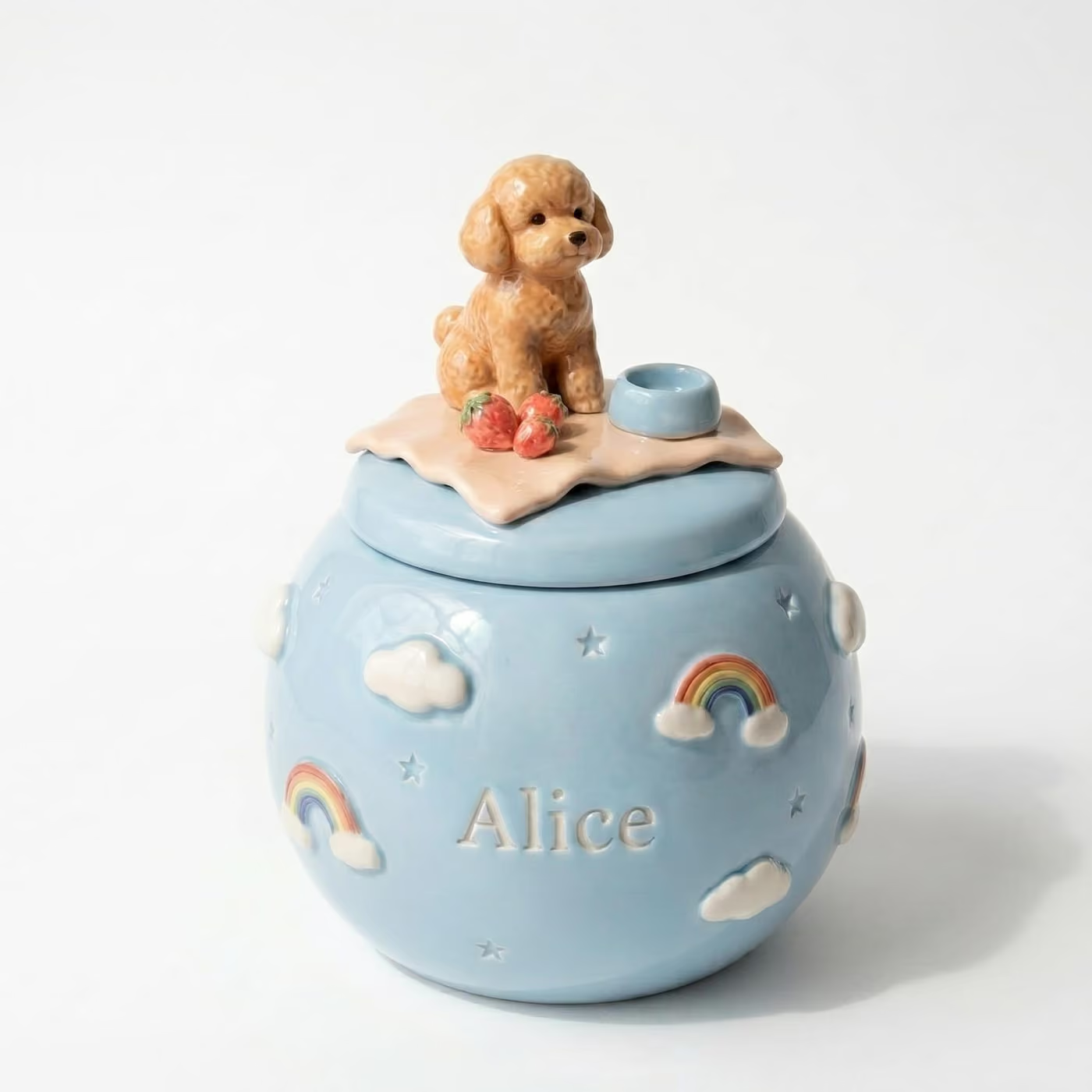
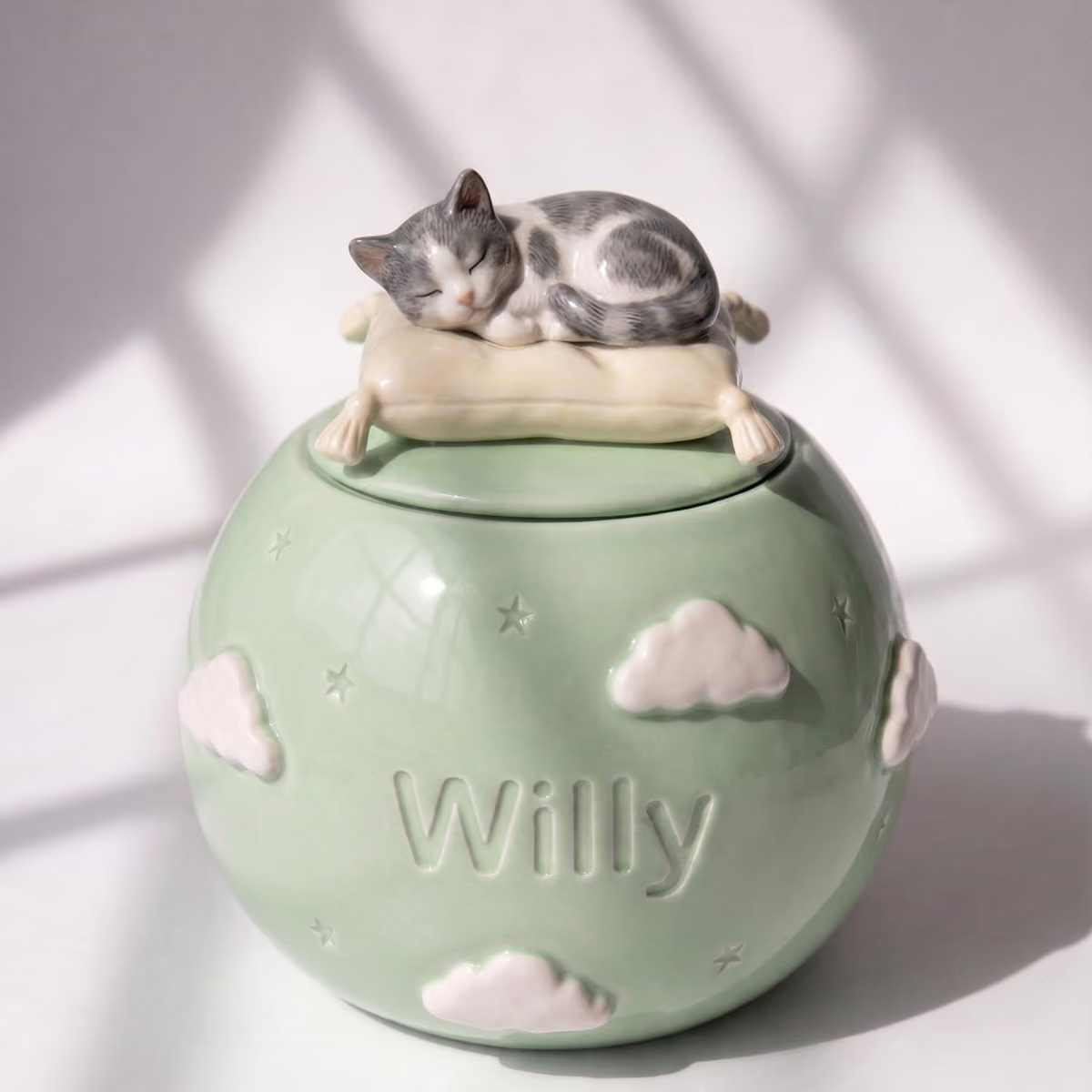
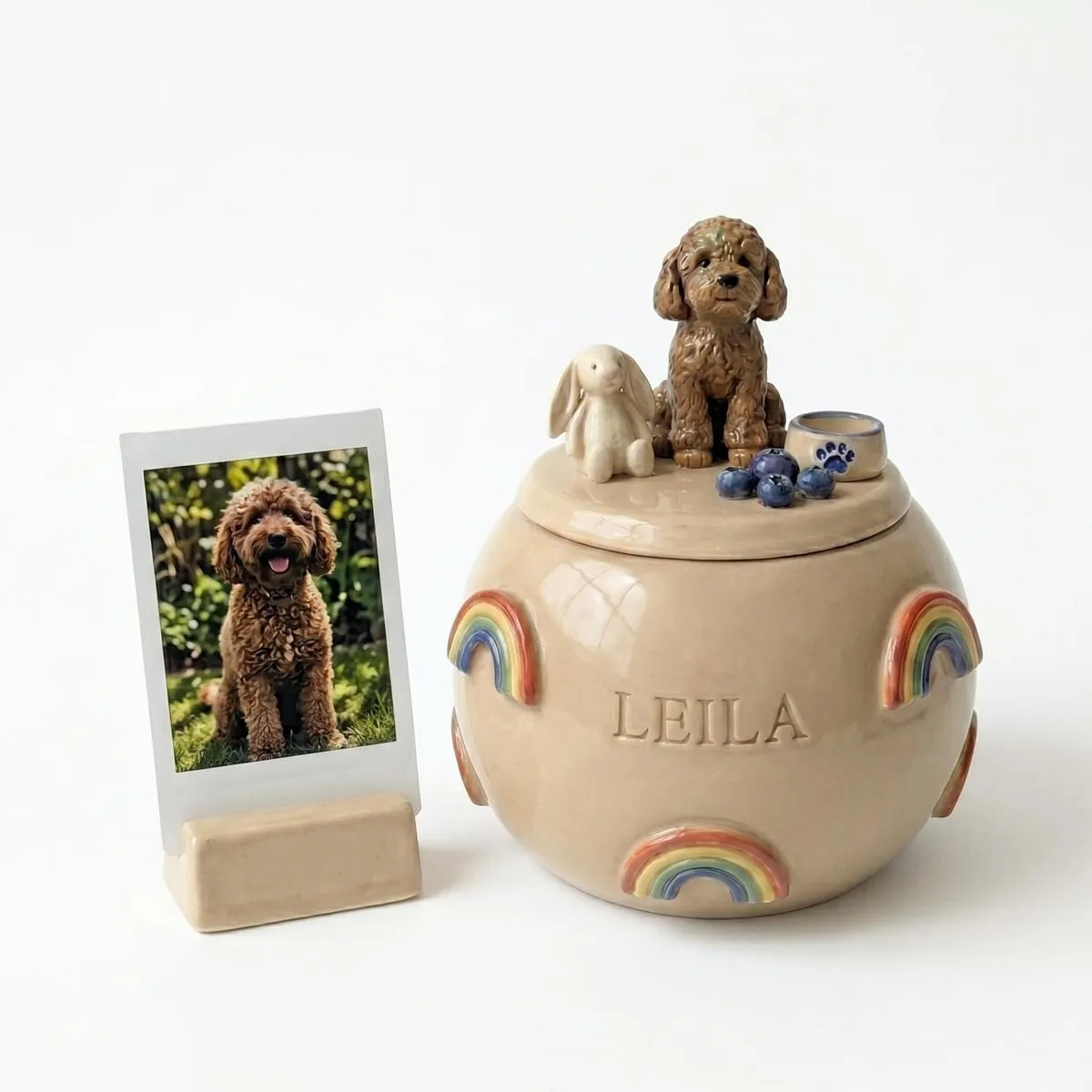
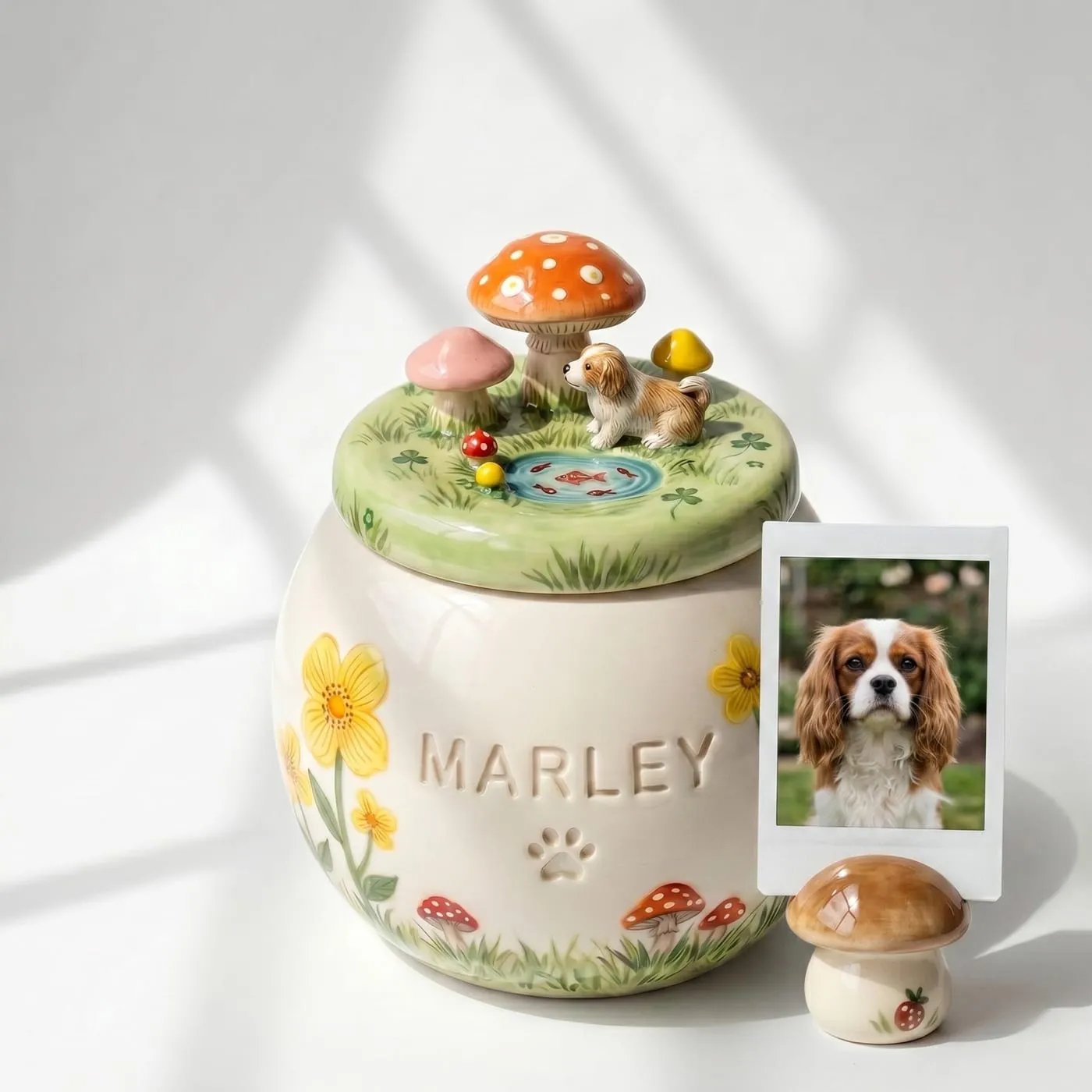
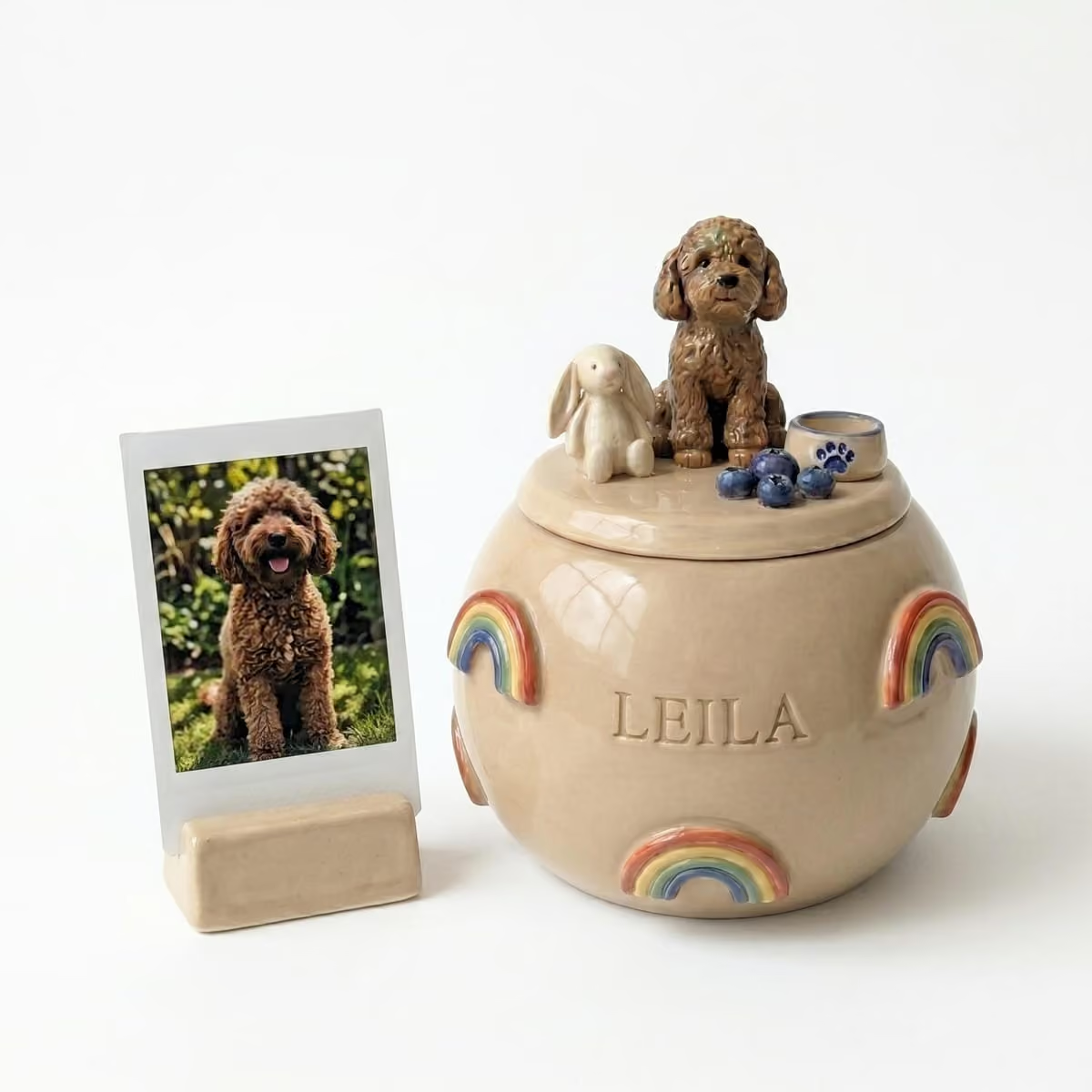
Our Rainbow Bridge urns carry a painted arc across the body of the jar, with your pet’s figurine at the near end of it.
We paint the arc in soft watercolour bands rather than saturated colour, laid wet so the edges bleed into each other. It should read as sky, not as a children’s toy. Small clouds in white slip anchor each end.
Owners often ask which way the figurine should face. Most choose outward, as though the animal has just arrived and is looking around. Some ask for it turned back the other way, still watching for the person coming. Both are right, and the choice usually tells you something about where the owner is.
Every ceramic urn we make is topped with a figurine sculpted by hand from your own photographs. If the arc is what you want, tell us and we will paint it.