What Are Pet Urns Made Of? Six Materials Compared
Ceramic, wood, metal, stone, glass and biodegradable urns compared: which stay non-porous, which survive burial, and how each one actually closes.
Pet urns are made from six materials: high-fired ceramic, wood, metal, stone, glass and biodegradable composites. They differ on three things that actually matter: whether the material is porous, whether it survives being buried, and how the lid closes.
Everything else is taste.
The six materials, compared
| Material | Non-porous | Survives burial | Lid closure |
|---|---|---|---|
| High-fired ceramic (stoneware) | Yes, vitrified | Yes | Lidded; sealed with adhesive or left removable |
| Low-fired ceramic (earthenware) | No, stays porous | No | Lidded |
| Wood | No | No, rots within a few years | Threaded base panel or screws |
| Metal (steel, brass, pewter) | Yes | Yes, but can corrode over decades | Threaded screw lid |
| Stone / marble | Mostly | Yes | Adhesive-sealed lid |
| Glass (blown or cast) | Yes | Yes, though it can crack in frost | Stopper, usually glued once filled |
| Biodegradable (paper, salt, sand) | No, by design | Dissolves on purpose | Folded or friction lid |
Two rows in that table look similar and are not: high-fired and low-fired ceramic are different materials. A painted earthenware pot from a homeware shop and a stoneware urn are both “ceramic”, and only one of them stays sealed against moisture.
What is a ceramic pet urn?
A ceramic pet urn is a clay vessel fired hot enough that the clay body vitrifies, turning glass-like, and stops absorbing water. Stoneware reaches that point at around 1200°C, which is the temperature we fire at here at Pepple Studio. Below that line you have a decorative pot. Above it you have a container.
Below roughly 1,100°C the clay stays porous. It will still hold ashes, but it takes on moisture from the air, and over years that shows up as crazing in the glaze, the fine crack network you see on old earthenware. Above vitrification the body is closed, and the glaze stops being the only barrier.
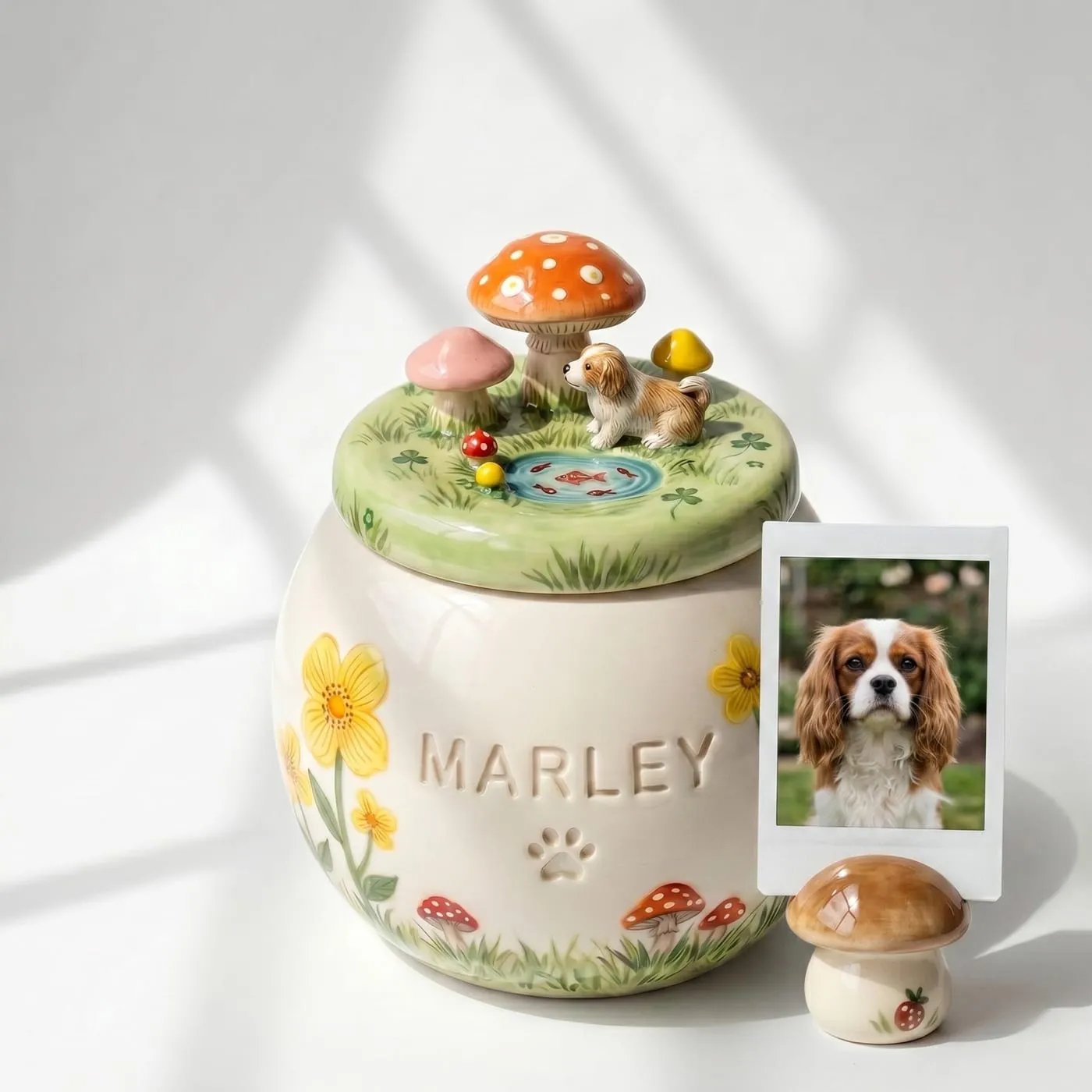
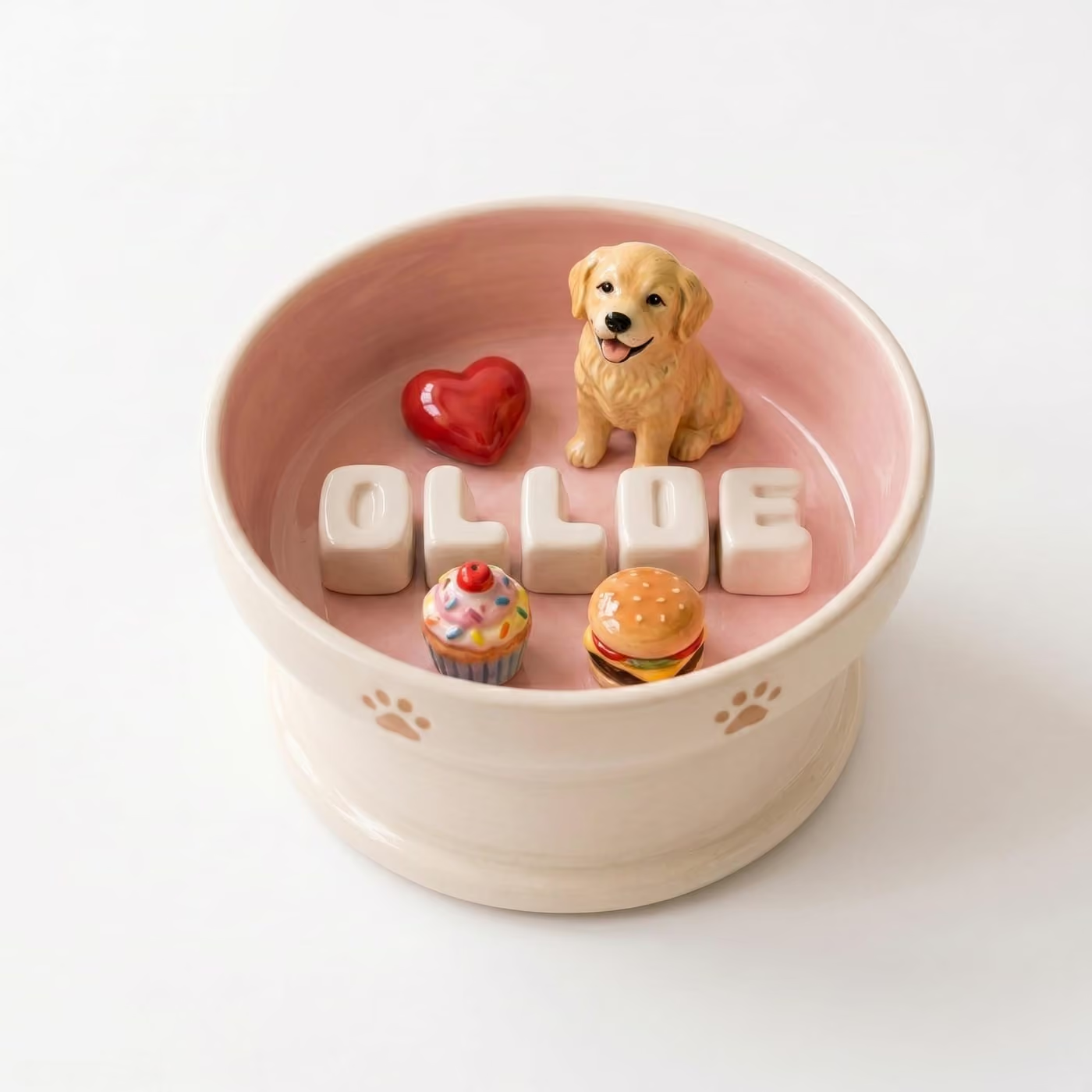
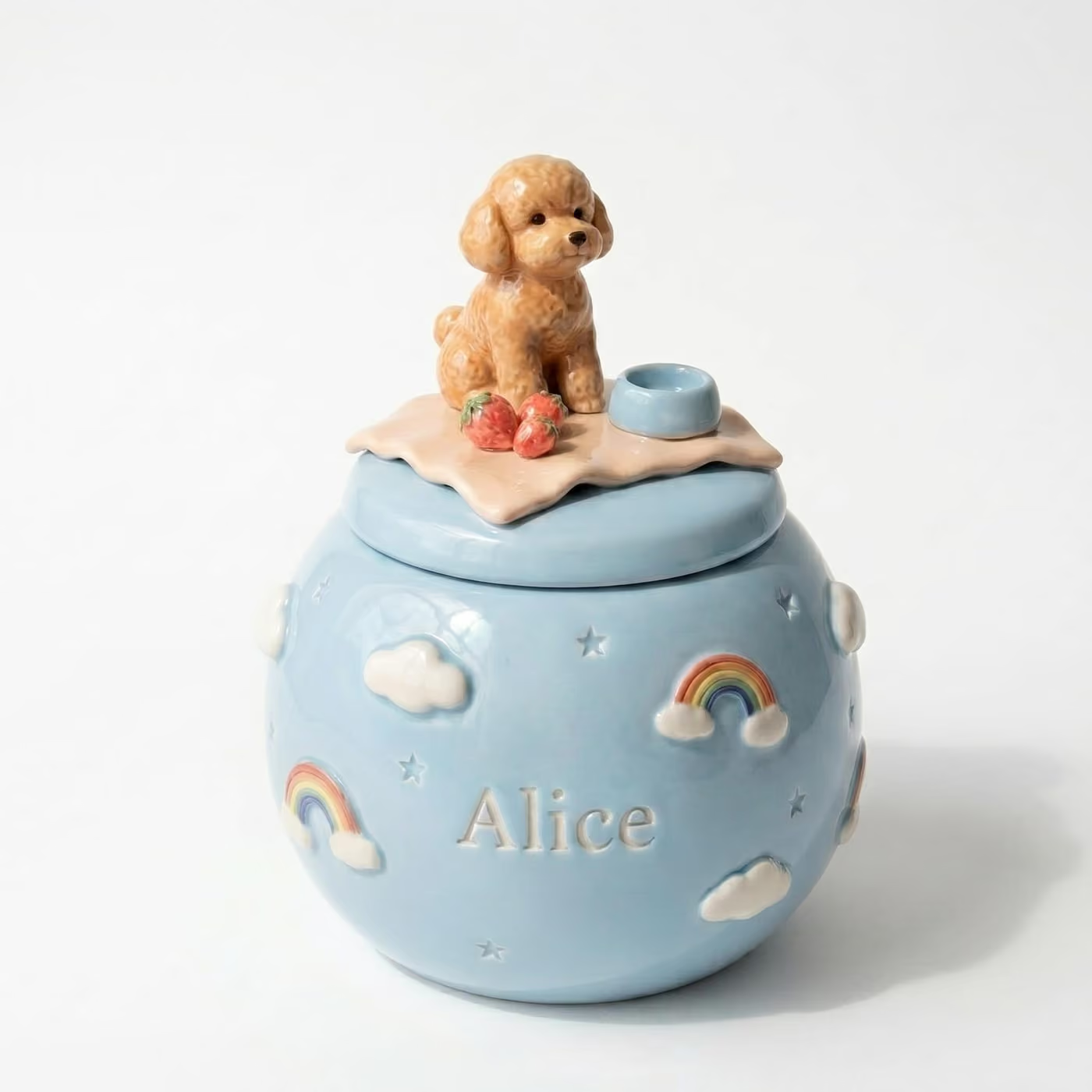
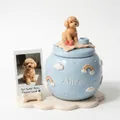
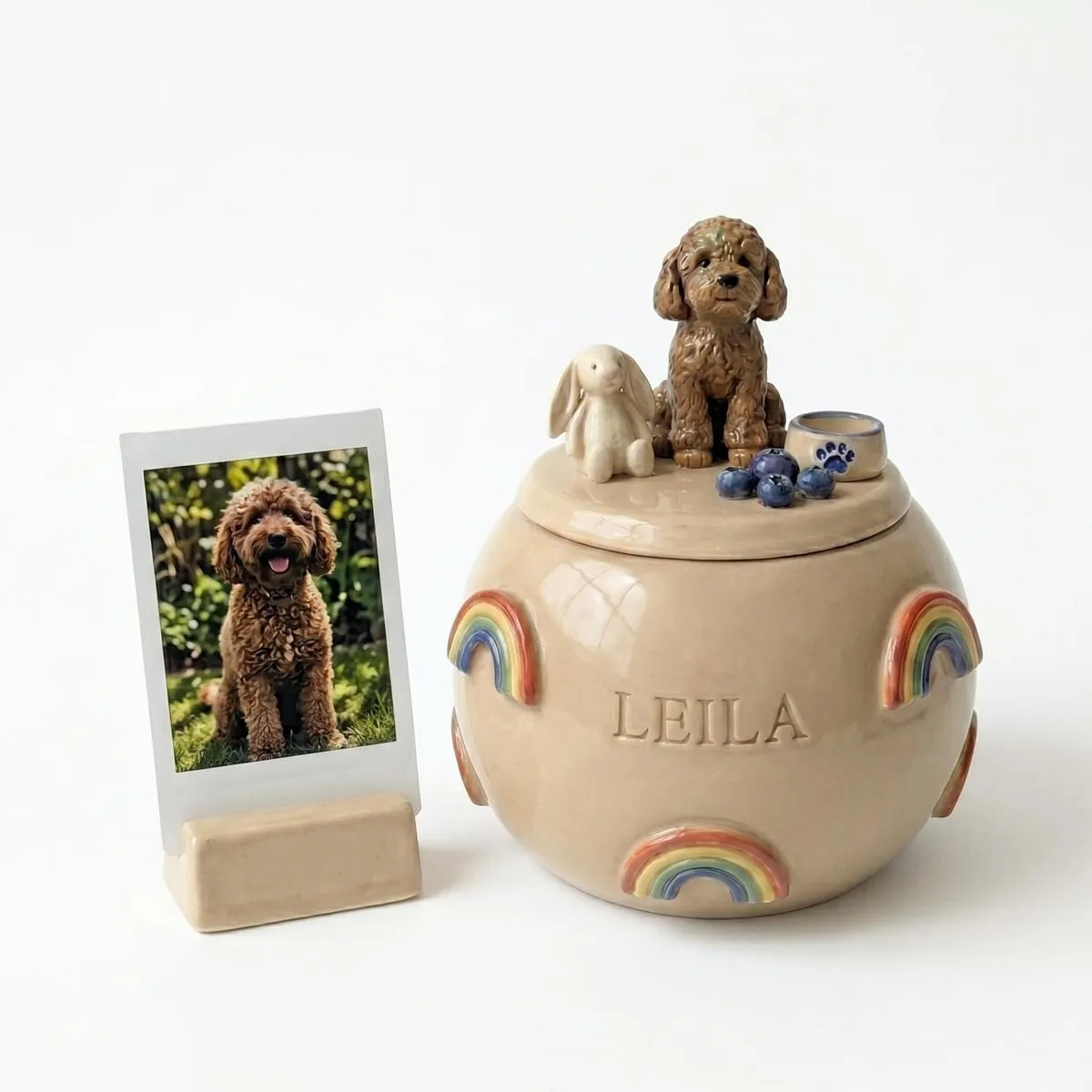
Names are carved into the clay before firing rather than printed on afterwards, so they cannot wear off. The piece shown is a digital visualisation.
Does firing temperature actually matter?
Yes. Firing temperature decides whether the clay stays porous or seals shut, and it is the one specification worth asking a maker for.
Water absorption falls as firing temperature rises. Trade standards put earthenware above 3% of its dry weight in water, commonly 8–12%, and cap stoneware at 3%. For an object meant to sit on a shelf for thirty years, that difference decides whether the glaze crazes and whether the piece tolerates a damp room.
Most sellers do not publish a firing temperature. If a listing says only “ceramic” or “porcelain-look”, it is worth asking directly. We wrote a separate piece on why we fire at 1200°C that goes into what happens inside the kiln.
Can you reopen a sealed pet urn?
A sealed pet urn can only be reopened if it was never truly sealed in the first place. A lid resting in a recess lifts off at any time, but one fixed down with silicone or epoxy will not come away without chipping the rim, and a glued glass stopper behaves the same way. This matters more than it first appears, because sealing is usually presented as the last step of the process and it is the one step that cannot be undone. Cremated remains do not need an airtight container. They are dry and stable, and the crematorium normally returns them in a sealed bag that goes inside the urn intact. At Pepple Studio the lid sits flush and is left removable unless you ask to fix it down, which keeps that decision open rather than making it for you.
The table above lists the closure for each material. What it cannot show is which of those closures you can undo:
- Recessed lid, left unsealed (ceramic, stone) → lifts straight off, at any point
- Recessed lid, fixed with adhesive → permanent; the rim chips before the lid moves
- Glued stopper (glass) → permanent once set, the same one-way door as an adhesive-sealed lid
- Threaded screw lid (metal) → the only common closure that is both secure and genuinely reversible
- Base panel on screws (wood) → reopens, but you handle the urn upside down to do it
- Folded or friction lid (biodegradable) → not designed to reopen at all
Nothing about cremated remains requires an airtight seal, so an unsealed lid is not a compromise. It is the option that keeps every later decision available.
If you later decide to scatter some, bury the rest, or divide them between family, you will be glad the lid still lifts.
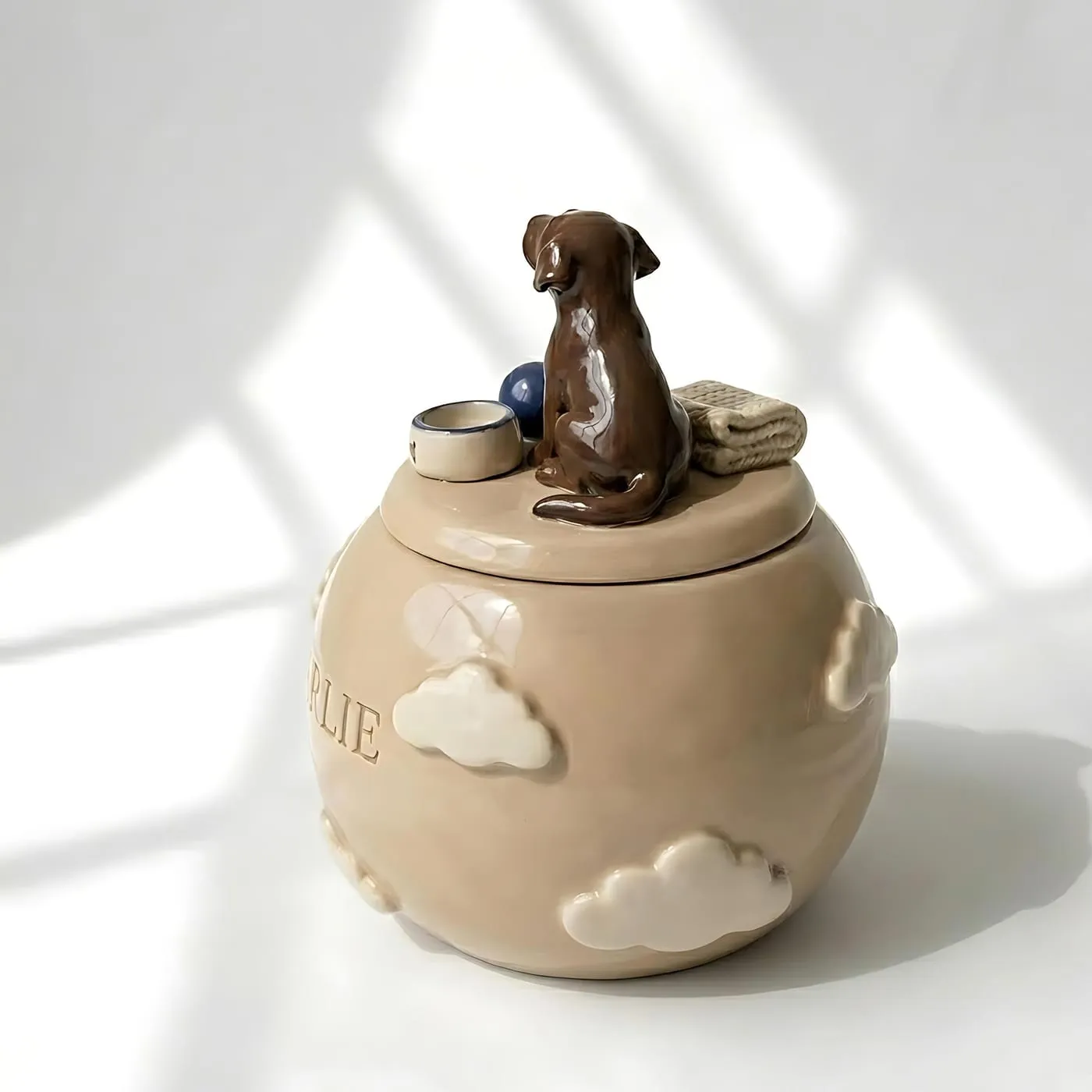
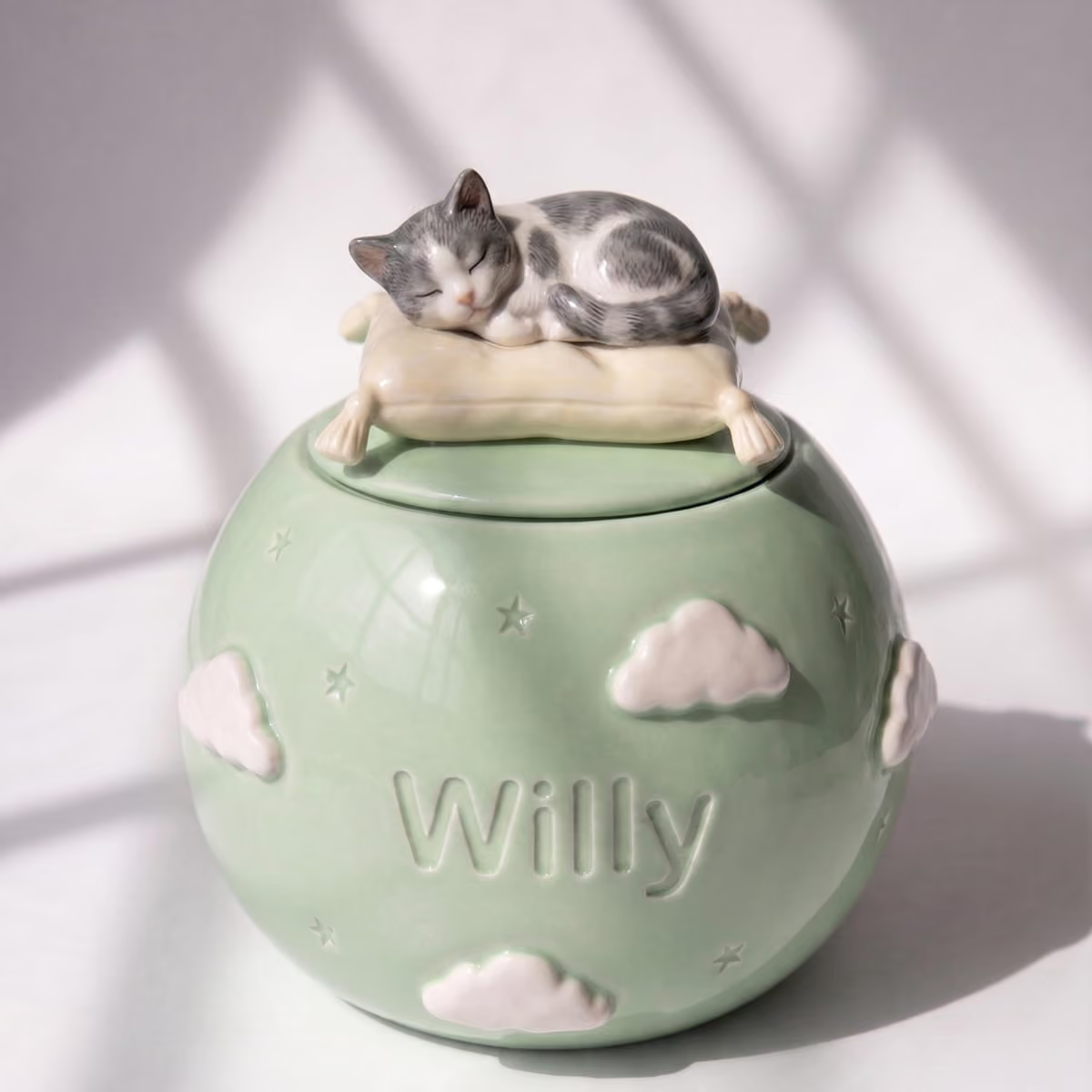
The seam where a lid meets the body. Left unsealed, a lid like this lifts straight off. The piece shown is a digital visualisation.
Are biodegradable pet urns worth it?
For burial or a water scattering, yes. For a shelf, no. Biodegradable urns are made from compressed paper, salt, sand or plant fibre and are built to break down in soil or water within months, so they are not designed to last indoors and cannot be reopened.
If you want both, people commonly buy a biodegradable urn for the portion being buried and keep the rest in a solid urn at home.
Which material should you choose?
Choosing a pet urn material comes down to where the urn will end up rather than to how it looks on a shelf. Pepple Studio makes only high-fired ceramic, so read the list below as a guide to the whole category rather than as a sales pitch. Match the material to the destination first, then choose the design.
- Keeping it at home, indefinitely → high-fired ceramic, stone, metal or glass
- Burying it in the garden → biodegradable, stone or metal
- Might move, divide or scatter later → anything with a removable or threaded lid, unsealed
- Travelling with it → wood or a lighter ceramic. The US Transportation Security Administration will not allow a container that shows up opaque on its scanners, and states that its officers will not open one even if a passenger asks, so stone and thick metal are the wrong choice for a flight. Rules differ by country, so check the ones where you fly from
- Want it to not look like an urn → ceramic, which takes glaze and sculpted form better than any other material here
Whatever the material, get the size right first. An urn that cannot hold everything is the one mistake that cannot be fixed later. Our size guide converts body weight to the volume you need.
About our urns
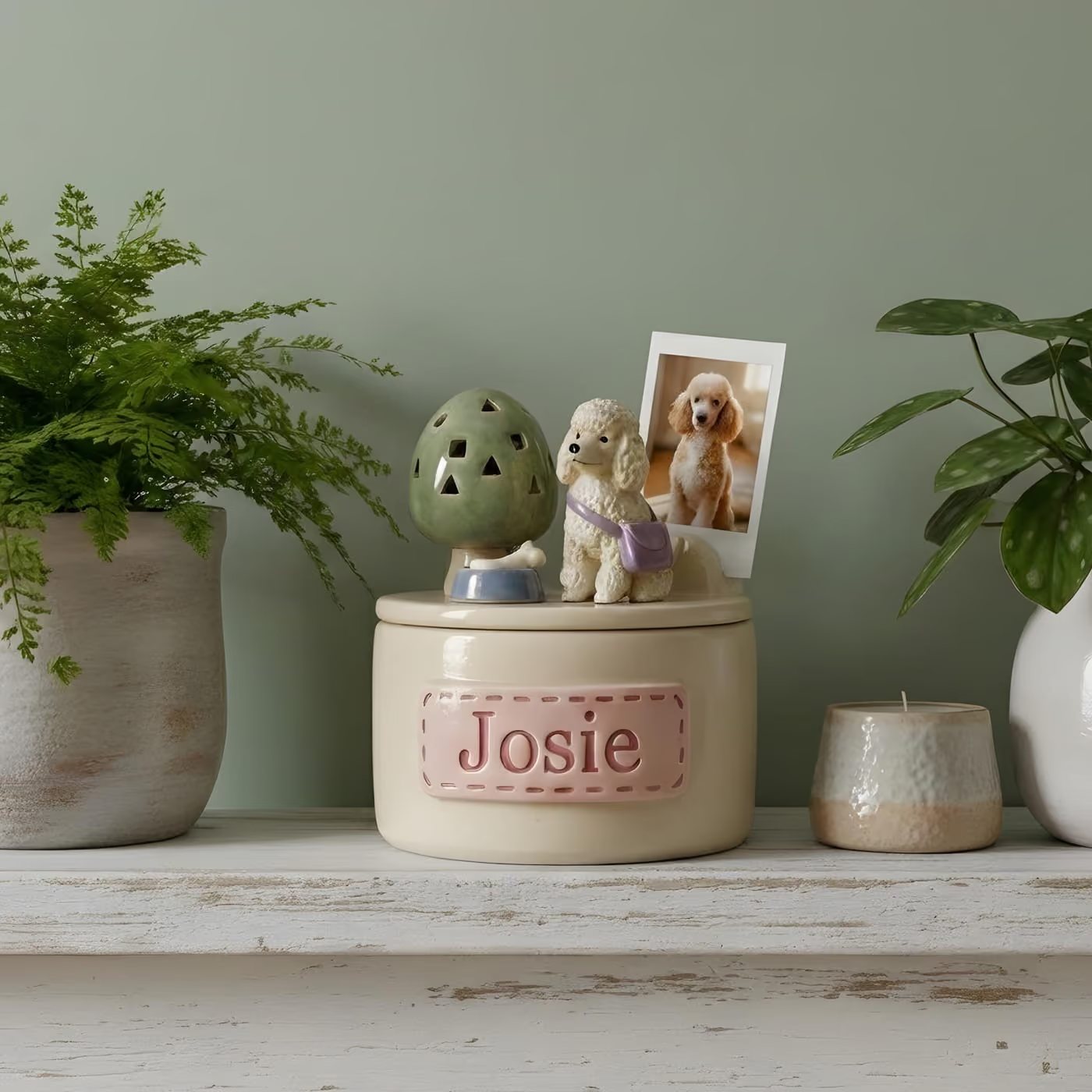
Ours are high-fired ceramic with a 3D figurine of your pet hand-sculpted from your photos and fired onto the lid. You can see the full range of urns or browse by theme. They take four to seven weeks to make, so they are not a same-week purchase.