Should You Get Another Pet After Losing One?
There is no correct interval and no disloyalty either way. Questions worth asking yourself, and the three reasons that tend to go badly.
Someone has probably already told you what to do. Half of people say a new animal is the best medicine; the other half say it is too soon. Both are describing their own temperament, not your situation.
There is no correct interval, and there is no disloyalty in either direction. Some people need another animal in the house within a fortnight. Others cannot contemplate it for years. Neither says anything about how much the first one was loved.
The three reasons that tend to go badly
1. Because someone else thinks you should. A partner, a parent, a well-meaning friend who found it helped them. Their grief is not yours and their timeline is not yours.
2. To stop the feeling. A new animal does not overwrite grief; it runs alongside it. People who adopt specifically to make the pain stop often report resenting the new pet for failing at a job it was never told about.
3. To replace, rather than to add. Looking for the same breed, same colour, same name. This sets the new animal an impossible test it will fail daily, because it will have its own personality and that personality will be wrong.
The common thread: those three are all about the animal you lost. A decision that works tends to be about the animal you would be taking on.
Questions worth asking yourself
Can I picture this specific animal, or only a gap? Wanting a dog is different from wanting the absence to stop.
Would I be irritated by normal puppy or kitten behaviour right now? Chewing, night crying, accidents. Grief shortens patience considerably, and a new animal arriving into a short fuse starts badly for both.
Am I comparing already? If you catch yourself thinking he would never have done that while still browsing listings, it is probably early.
Whose idea was it? If you cannot answer mine, wait.
Is the house ready? Some people need the bowls and the bed gone first. Others need them to stay. Both are fine, but a new animal walking into the old one’s untouched setup is hard for some owners in a way they did not predict.
Practical things that help, whenever you decide
Different, not similar. A different breed, a different colour, the opposite temperament. This sounds cold and it is the most consistent advice from people who have done it several times. Similarity invites comparison; difference lets the new animal be itself.
A different name. Obvious once said, and occasionally still worth saying.
New things where you can. A different bed, a different bowl. Keeping the old collar somewhere deliberate rather than reusing it.
Expect a bad week. Many people report a sharp return of grief in the first days with a new pet — the contrast makes the absence concrete. It passes, and it does not mean you made a mistake.
If you decide not to, or not yet
That is a complete answer and does not require justification.
Some people are done, or are done for this decade, or find that the shape of their life has changed. Living without an animal after years of having one is an adjustment, but it is not a failure of nerve.
You are also allowed to change your mind in either direction, repeatedly.
What tends to help either way
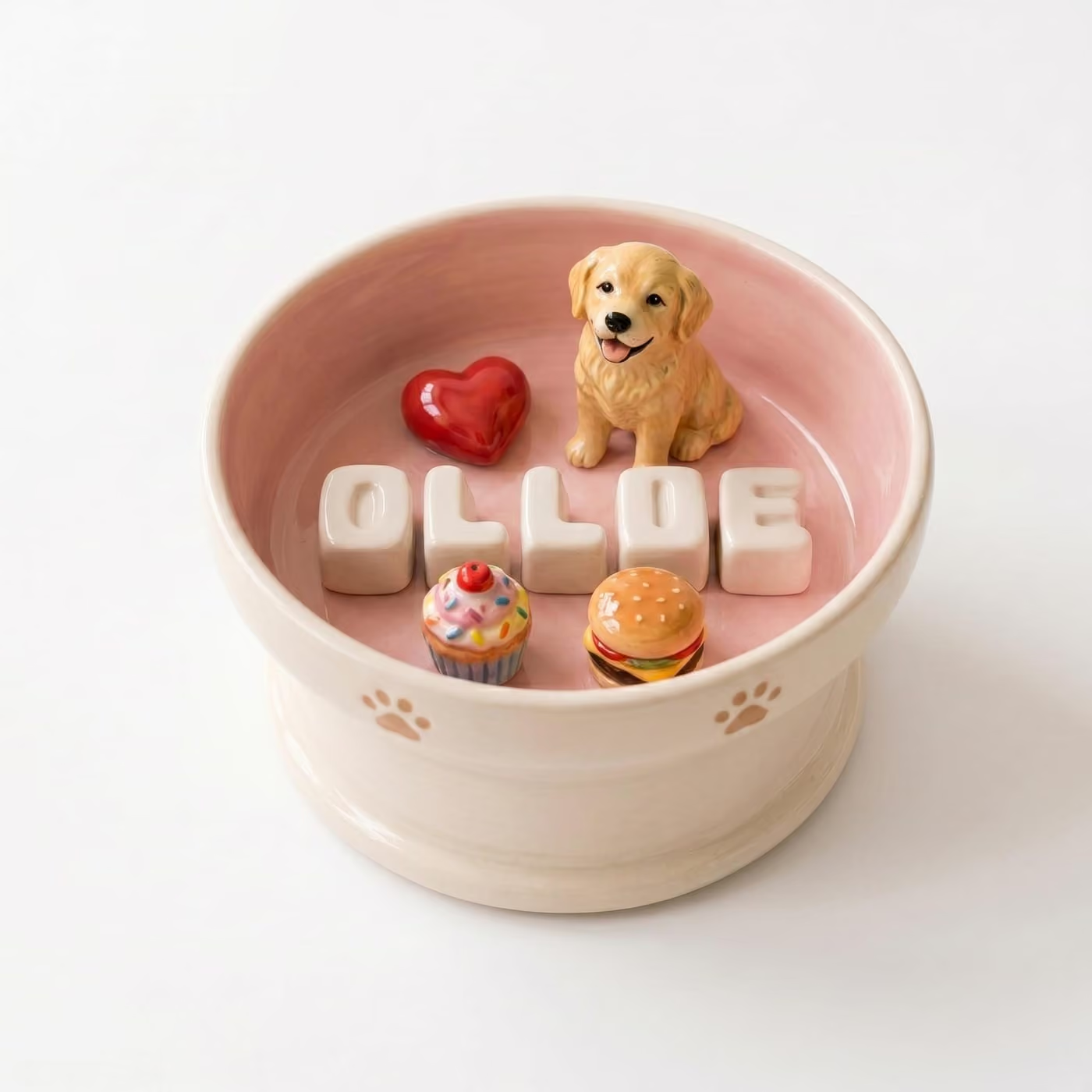
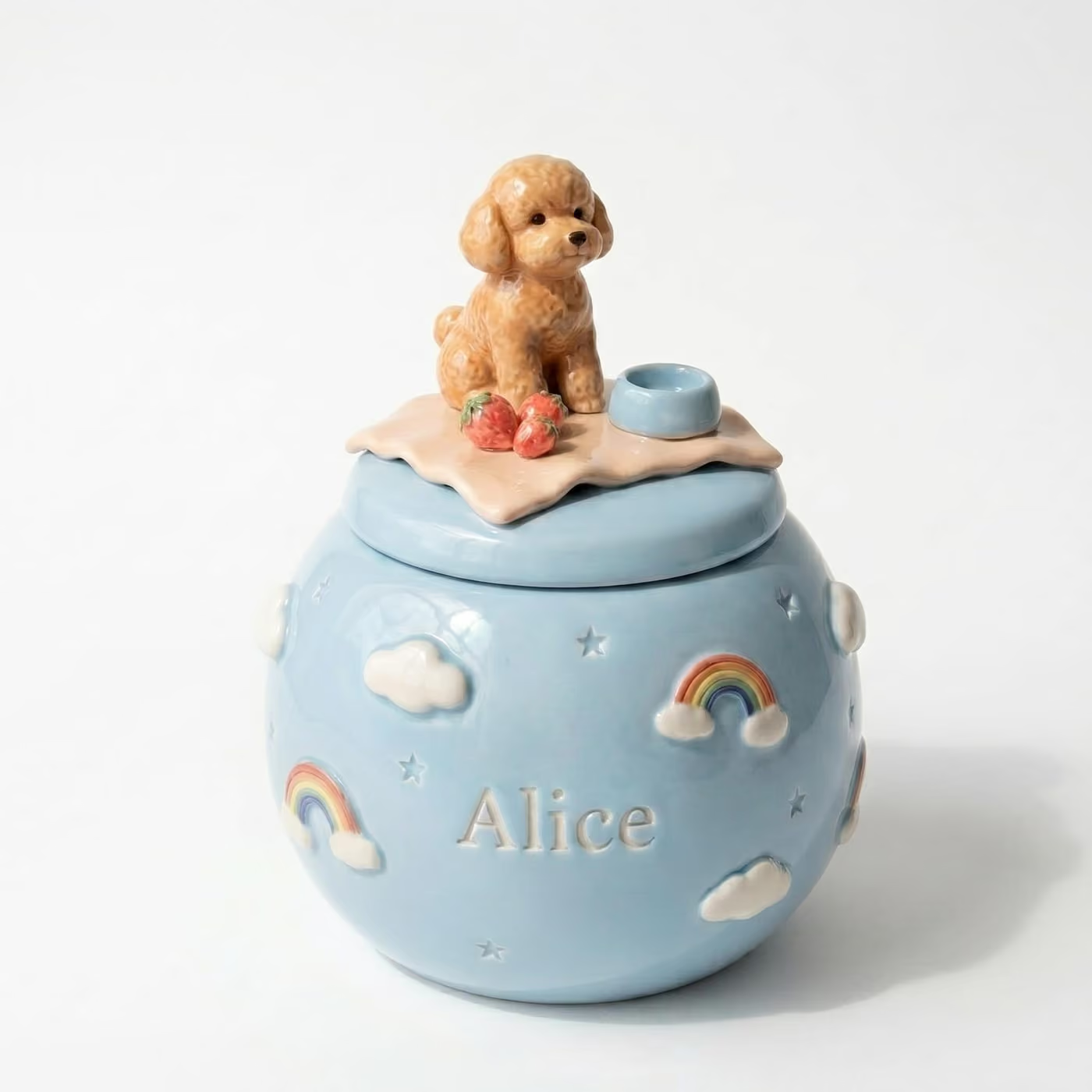
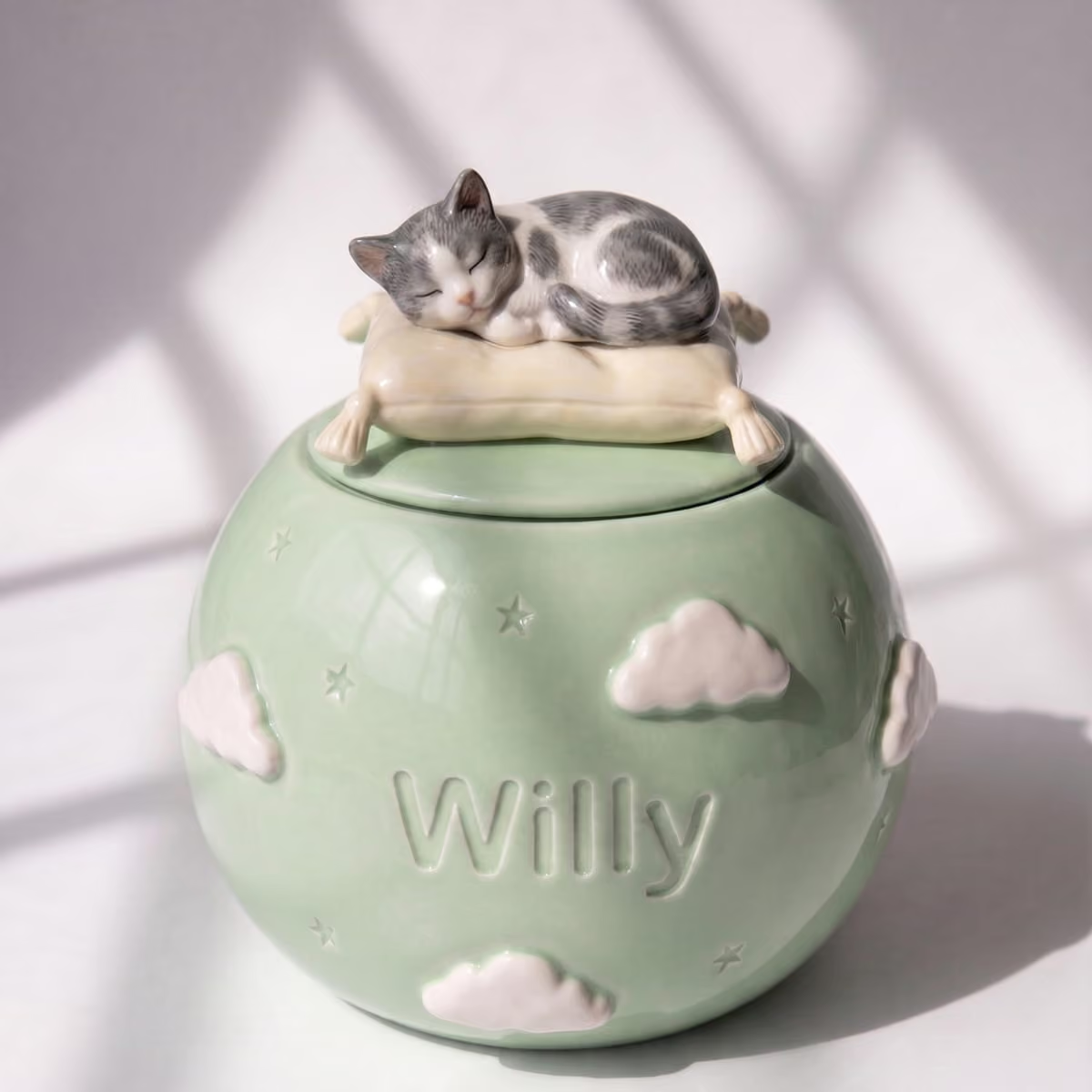
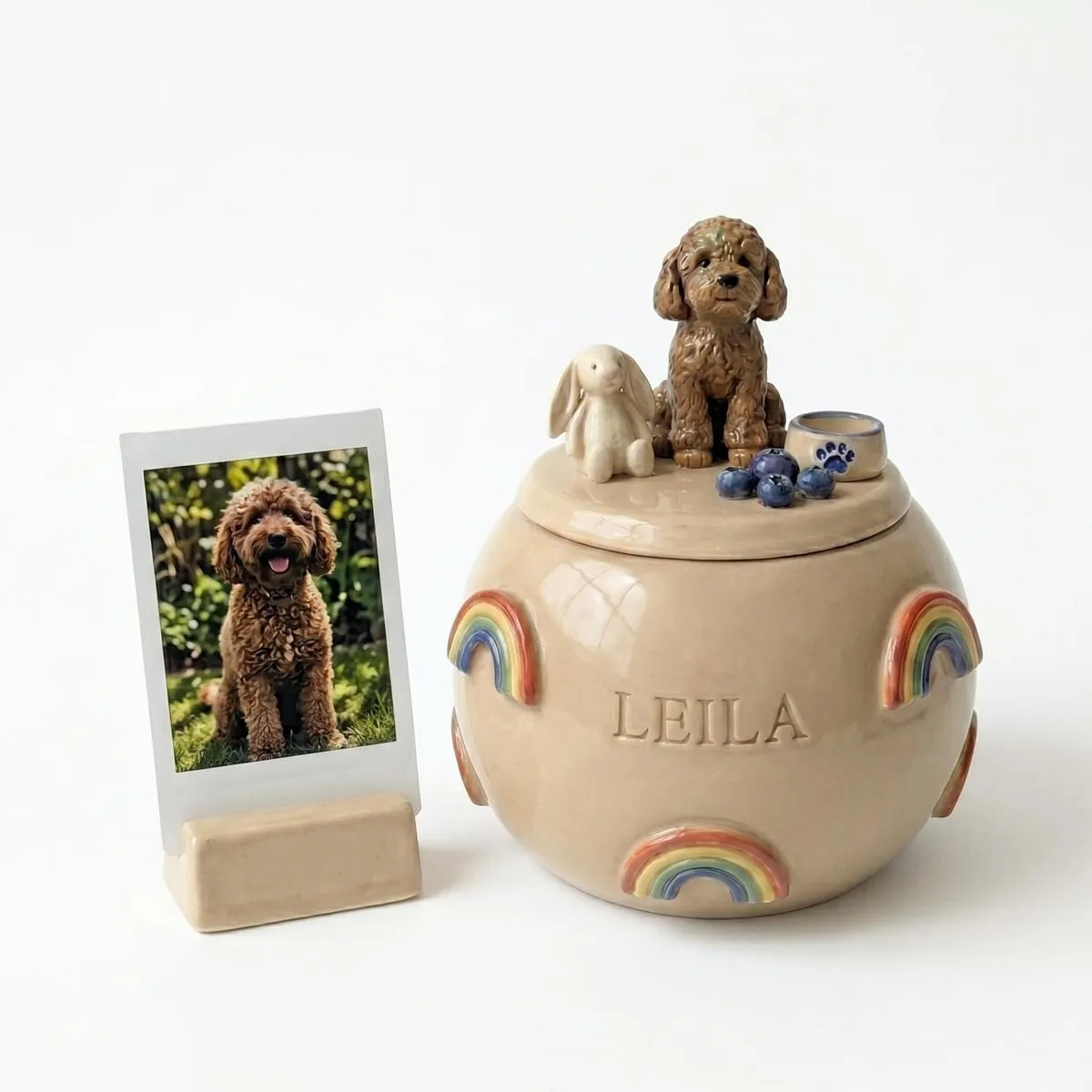
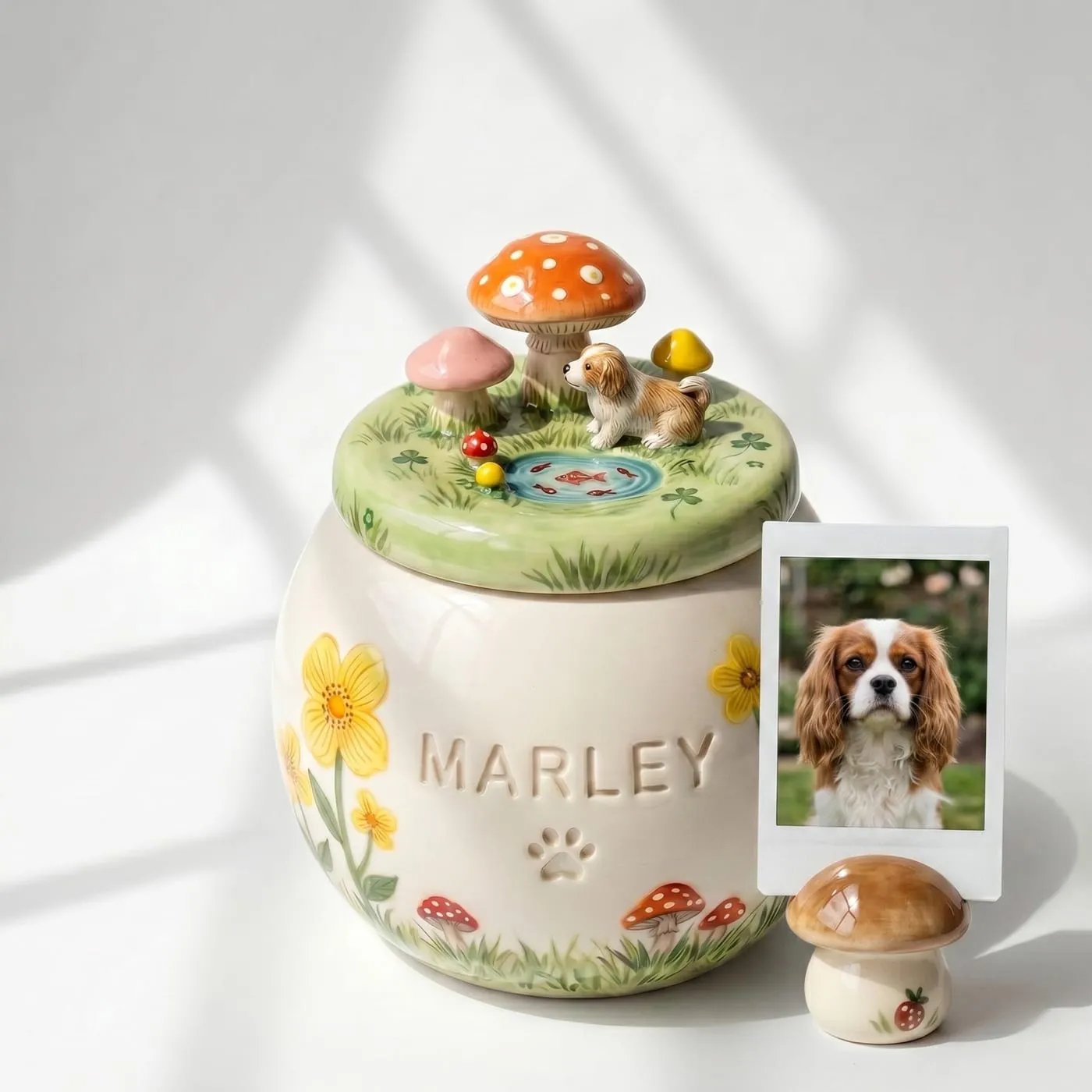
Whether or not another animal arrives, most people find it easier once the first one has somewhere settled — a chosen place in the house rather than a container in a cupboard.
That is not a sales point so much as an observation: unresolved logistics keep grief in an open loop. Deciding what happens to the ashes closes something, and it is often the step people postpone longest.
Our guide to what people do with ashes covers nine options, several of which involve buying nothing at all.
We make handmade ceramic pet urns, and we are in no hurry. If you want to talk something through before deciding anything, email us.