What to Do With Your Pet's Ashes: 9 Options
Nine things people actually do with a pet's ashes — keeping, scattering, dividing, burying, memorial jewellery — and how to decide when you are not ready to.
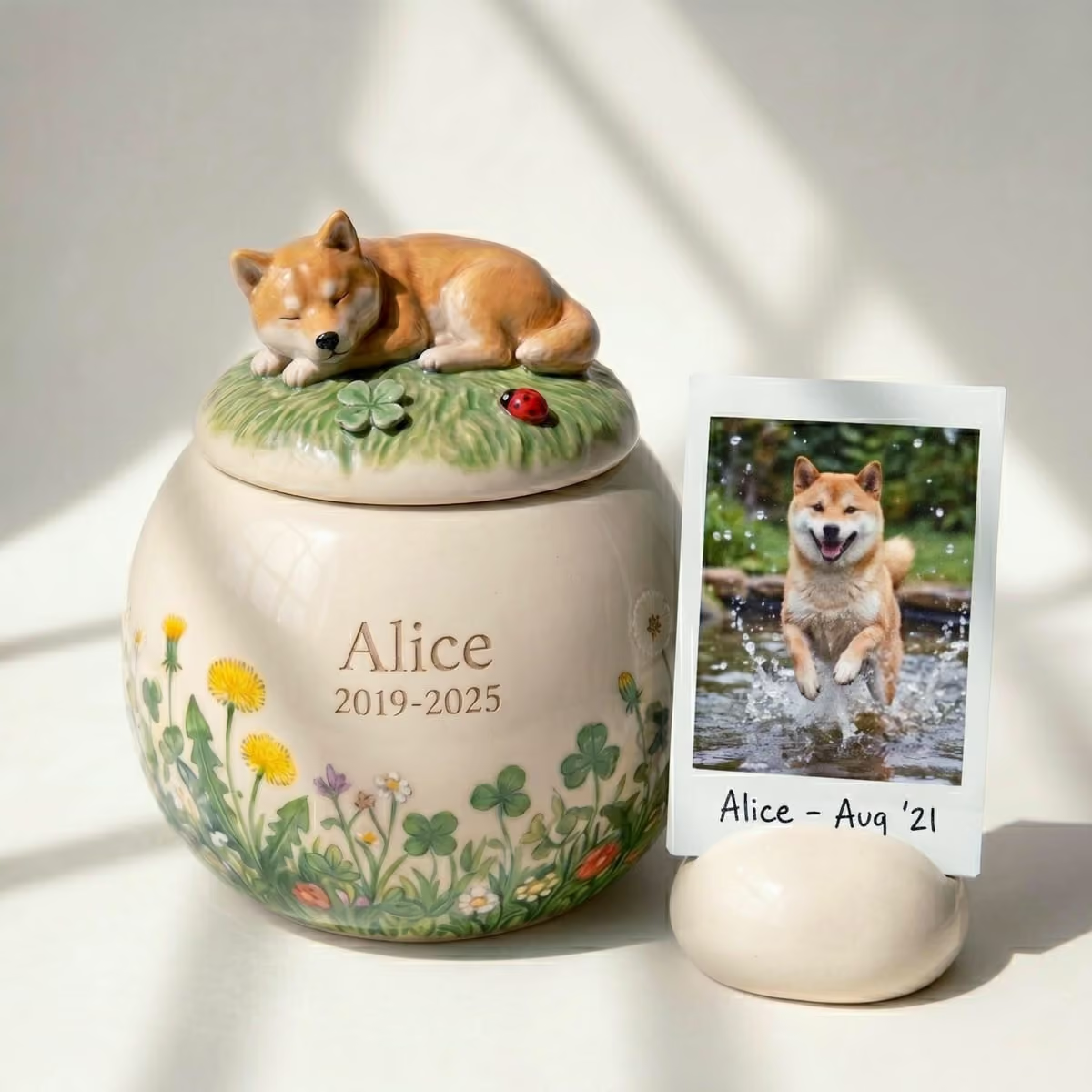
The ashes come home in a plastic or cardboard container, usually inside a bag, sometimes with a paw print and a certificate. And then they sit somewhere — a wardrobe, a cupboard, the boot of the car — while you decide what to do.
If they have been sitting for months, that is normal. Cremated remains do not degrade and there is no deadline. Whatever you choose in a year will be exactly as possible as it is today.
Here are the options people actually take.
1. Keep them at home in an urn
The most common choice, and the most flexible: it can be undone. An urn on a shelf can later be scattered, buried or divided. A scattering cannot be reversed.
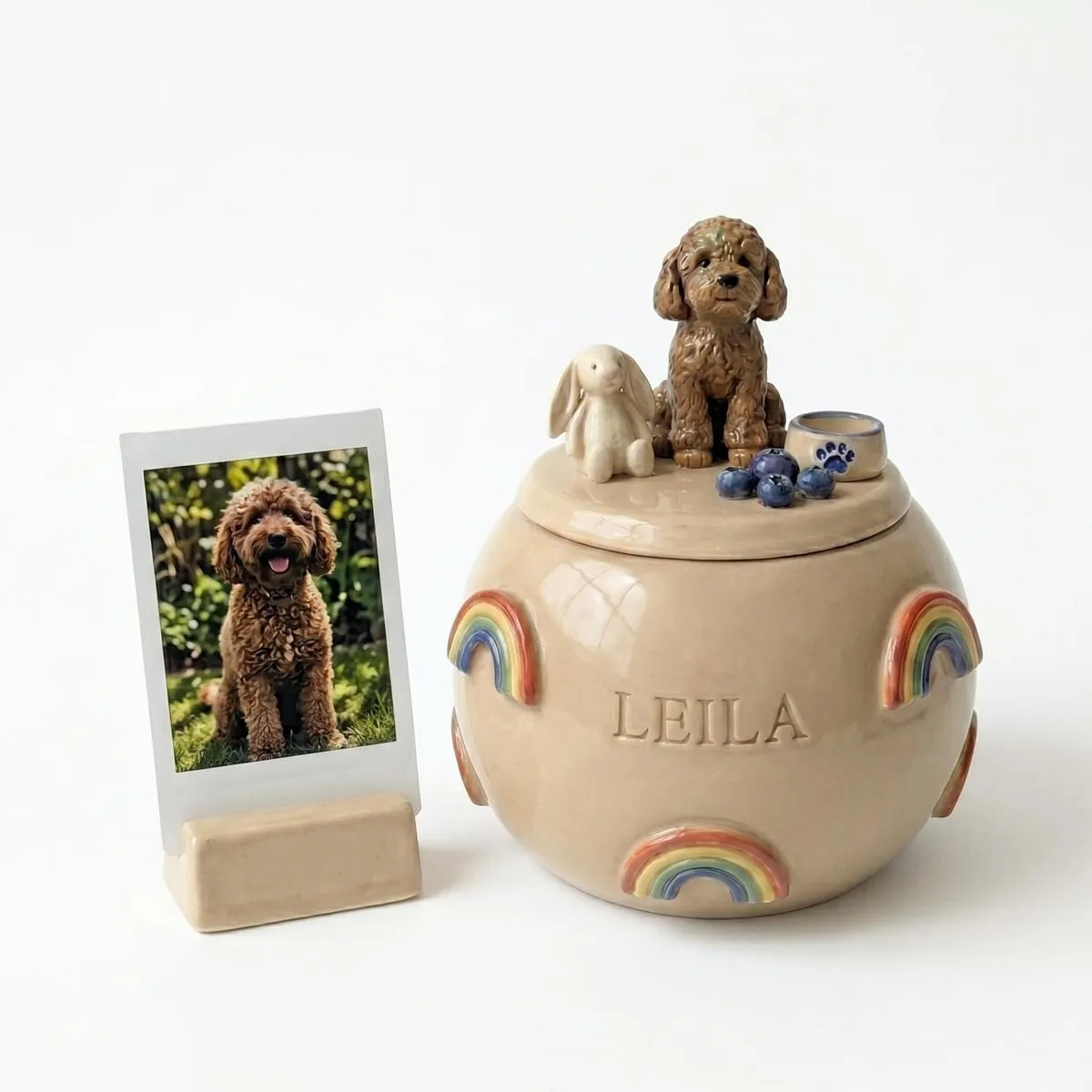
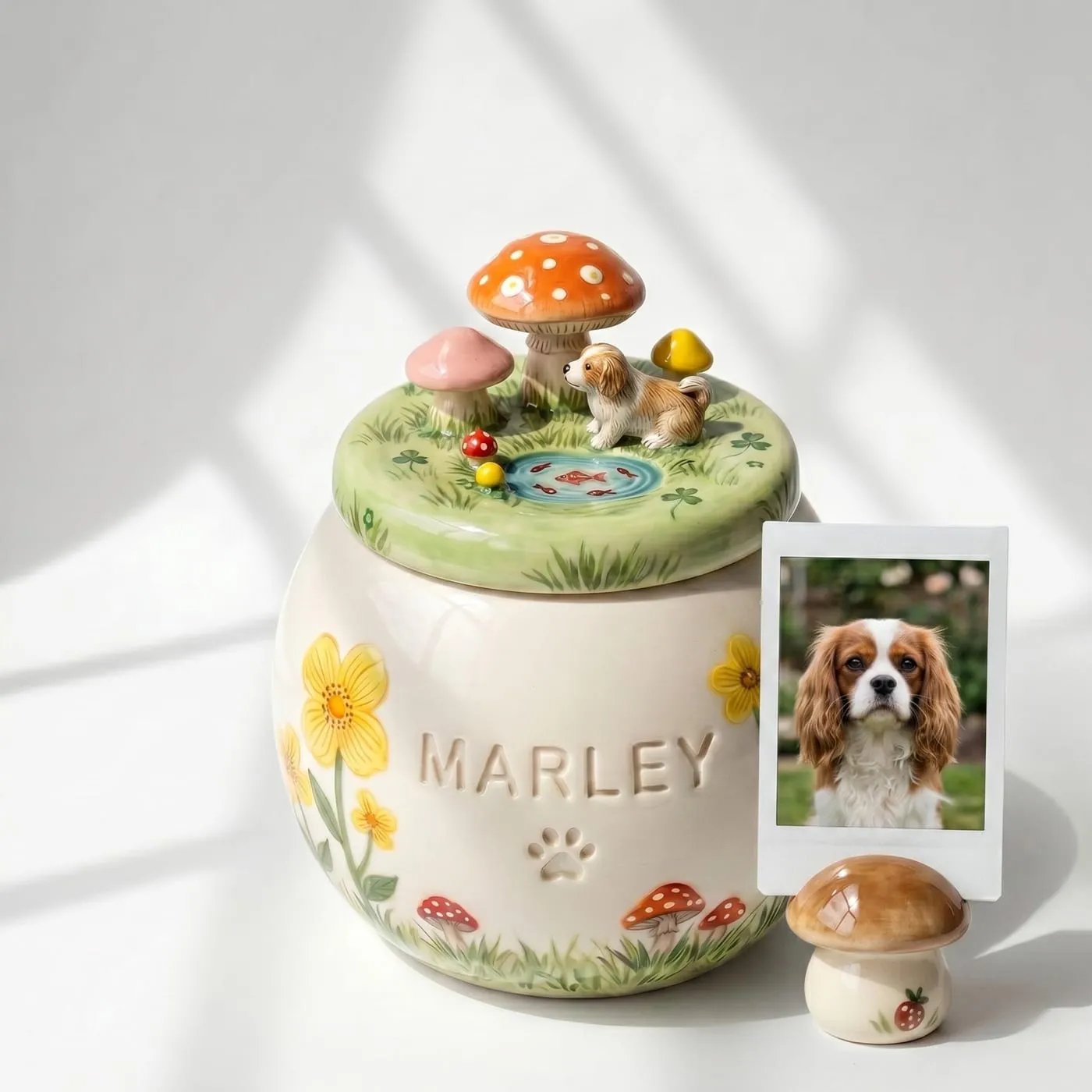
Ceramic, wood, stone and metal are all used. What matters most is that the material is non-porous — high-fired ceramic vitrifies at around 1200°C and stops absorbing moisture entirely, which is why it lasts in a way that lower-fired decorative pottery does not.
2. Scatter somewhere that mattered
A favourite walk, a beach, a stretch of woodland, the garden.
Two practical notes. Check local rules — many public parks and beaches have restrictions, and some countries require permission for scattering on land you do not own. And choose a still day; ash is lighter than people expect and the wind does not care about the moment.
Many people scatter most and keep a small amount. You do not have to pick one.
3. Divide between the people who loved them
If a pet belonged to a household that has since spread out — grown-up children, a separated couple, a friend who looked after them for years — the ashes can be divided into several small keepsakes.
This is one of the most quietly useful options and it occurs to very few people. Small ceramic keepsakes and pendants hold a token amount each.
4. Bury them in the garden
Legal in most places on your own property, with some local variation. Bury deep enough that the spot is not disturbed — 60 cm or more — and mark it with something that will still be there in ten years.
The obvious risk: you may move house. Several people we have made urns for did exactly that and found they could not leave the grave behind.
5. Memorial jewellery
A pendant, ring or bead holding a very small amount of ash, worn rather than displayed.
This suits people who find a shelf too static, and people whose living situation makes an urn difficult — shared housing, frequent moves, a partner who finds it hard to look at.
6. Have them incorporated into glass or ceramic
Ash can be worked into blown glass or into a glaze. The result is an object with your pet materially inside it, rather than a container holding them.
It is a genuinely different feeling from an urn, and it is permanent — worth being sure before committing all of the ashes to it.
7. Plant them with a tree
Biodegradable urns and burial pods are designed to break down and release the remains around a sapling’s roots.
Be aware that cremated remains are alkaline and high in sodium, which is bad for most plants in concentration. Products designed for this purpose buffer the pH; simply mixing ashes into a plant pot usually kills the plant. If this is the route you want, buy something made for it.
8. Scatter at sea
Popular with owners of dogs who loved water. Ashes are dispersed from a boat or from the shore, sometimes in a water-soluble urn that floats briefly and then sinks.
Rules vary by country and by distance from shore, so check before planning a date.
9. Do nothing yet
This is a real option and it is under-rated.
Put them somewhere safe, out of the daily line of sight if that helps, and revisit in six months. A surprising number of the people who eventually order an urn from us waited a year or more first. Nothing is lost by waiting, and decisions made in the first fortnight are often not the ones people would make later.
A note on choosing
There is no correct answer, and no arrangement is more respectful than another. The only choice worth avoiding is one made under pressure from someone else — a partner who wants it dealt with, a relative with opinions about what is normal.
It was your animal. Take the time.
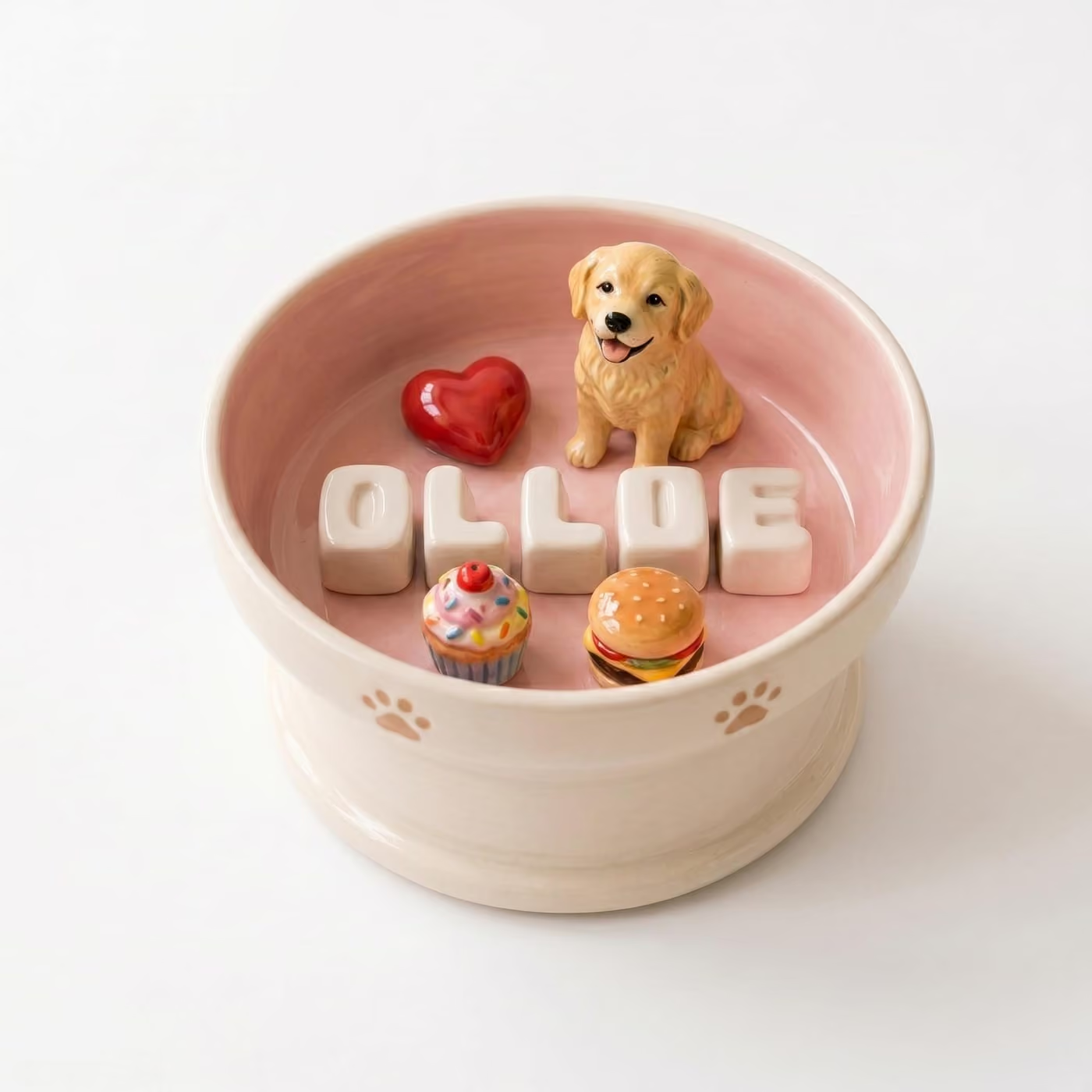
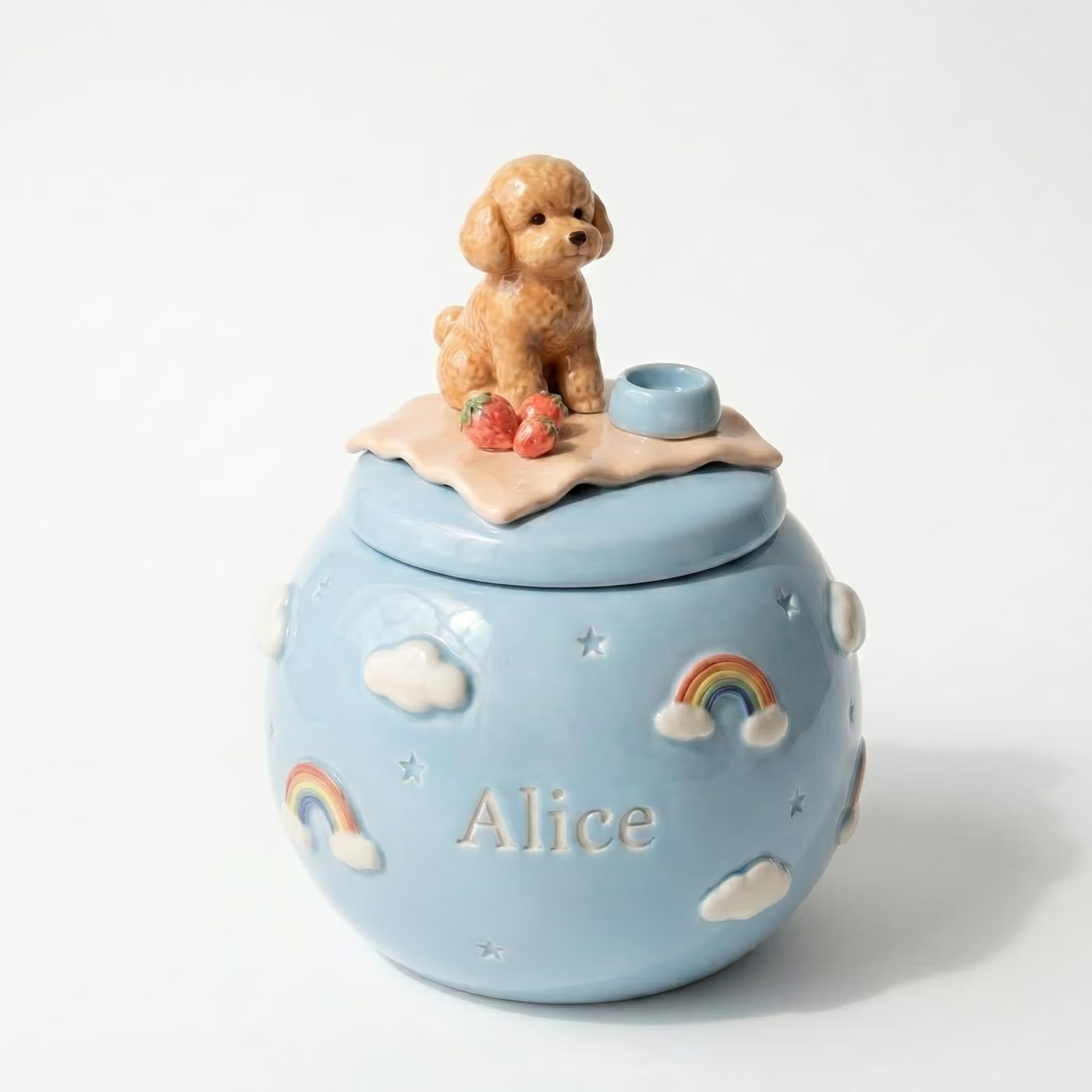
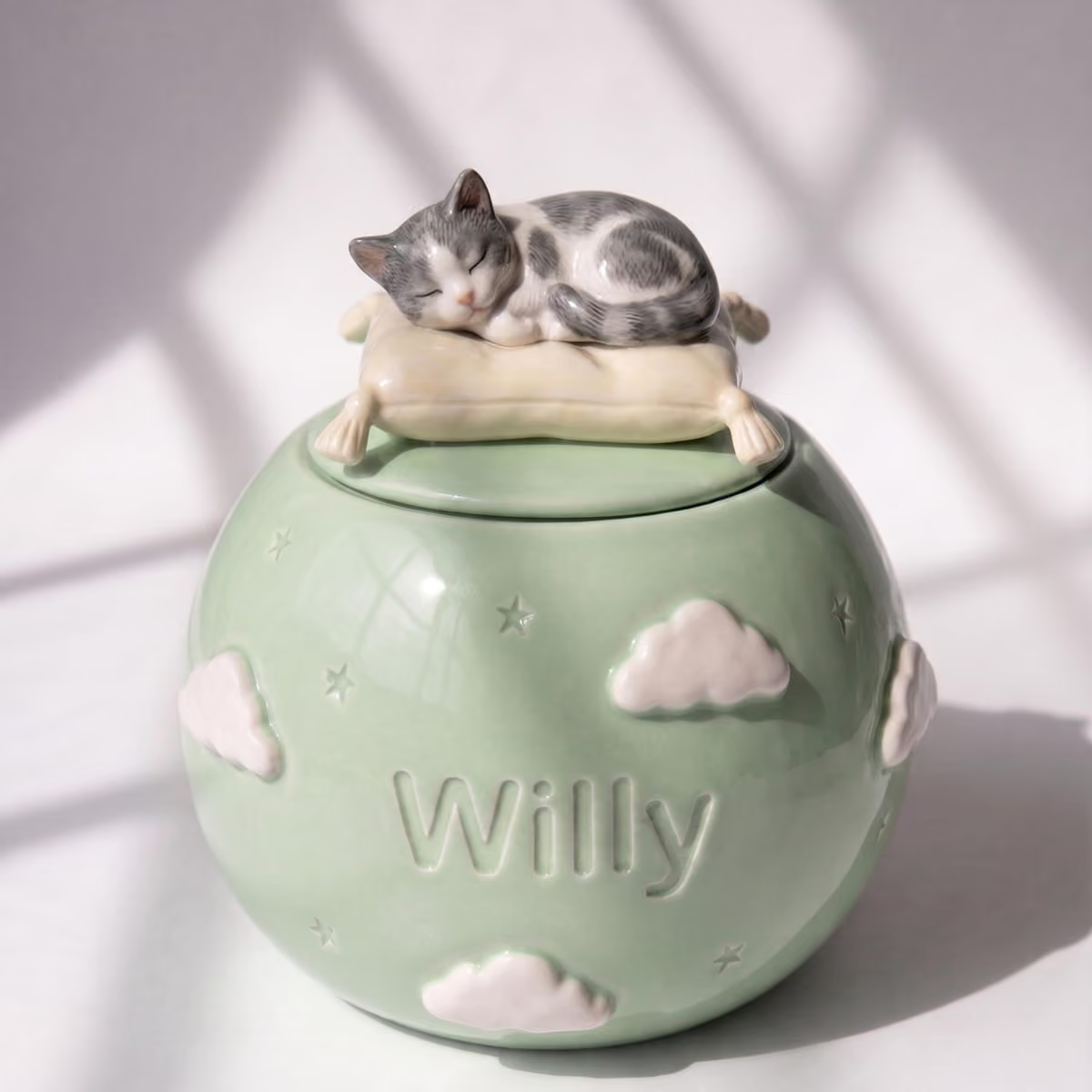
We make handmade ceramic urns and keepsakes with a figurine of your pet sculpted from photographs. If you are still deciding, there is no rush on our side — ask us anything whenever you are ready.
If you are struggling badly with the loss, pet bereavement support lines exist in most countries and are usually free. Your vet can point you to a local one.